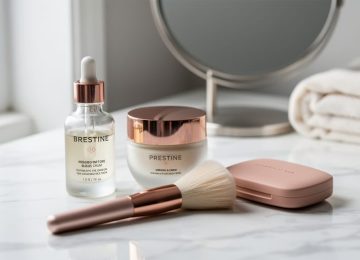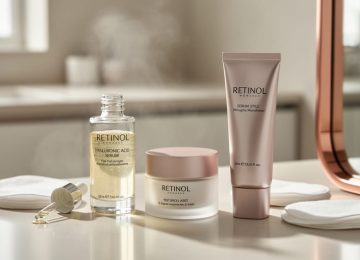
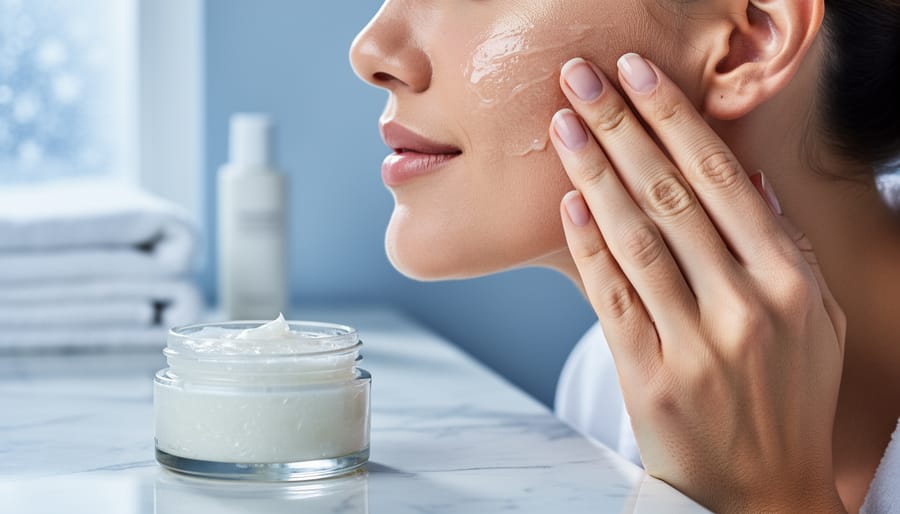
Look for masks containing hyaluronic acid, glycerin, and ceramides as your first line of defense against dry skin—these ingredients act like moisture magnets, drawing hydration deep into your skin’s layers and locking it in place. Apply your dry skin mask to slightly damp skin right after cleansing, which helps seal in existing moisture and allows the mask’s active ingredients to penetrate more effectively. Leave the mask on for 15-20 minutes rather than letting it dry completely, since fully dried masks can actually pull moisture away from your skin, defeating the purpose entirely.
If you’re dealing with dehydrated skin that feels tight and flaky, choose cream or gel-based formulas over clay masks, which tend to be too stripping for compromised moisture barriers. Follow up immediately with a rich moisturizer while your skin is still slightly tacky from the mask to maximize hydration retention.
The difference between a mediocre mask and one that transforms your skin often comes down to understanding your specific dry skin triggers. Whether you’re battling seasonal dryness, experiencing the aftermath of harsh treatments, or simply maintaining your skin’s moisture levels, the right mask can make all the difference. I’ve tested countless options over the years, and I’m sharing what actually works—no fluff, just real results you can expect from products designed specifically for thirsty skin.
What Makes a Dry Skin Mask Actually Work?
Here’s the thing about face masks for dry skin: they need to do more than just feel nice for 15 minutes. I learned this the hard way after years of slathering on masks that left my skin feeling plump temporarily, only to return to that tight, flaky feeling hours later.
Dry skin has very specific needs when it comes to skin barrier and moisturization. You need both hydration (water) and moisture (oils) working together. Think of it like this: hydration is the water your skin cells drink up, while moisture is the protective layer that keeps that water from evaporating away.
The best dry skin masks contain three key types of ingredients. First, humectants attract moisture from the environment and draw it into your skin—think hyaluronic acid, glycerin, and honey. Second, emollients like ceramides and fatty acids smooth and soften the skin’s surface. Finally, occlusive agents reduce water loss by creating a protective seal—ingredients like shea butter, oils, and dimethicone.
Not all masks are created equal, though. Some masks marketed for all skin types focus heavily on clay or charcoal, which can actually strip dry skin further. Others might provide temporary hydration without any occlusive ingredients to seal it in, leaving you back at square one. The masks that actually work for dry skin contain a balanced combination of all three ingredient categories, delivering both immediate relief and lasting results.
Add On Beauty Dry Mask: First Impressions
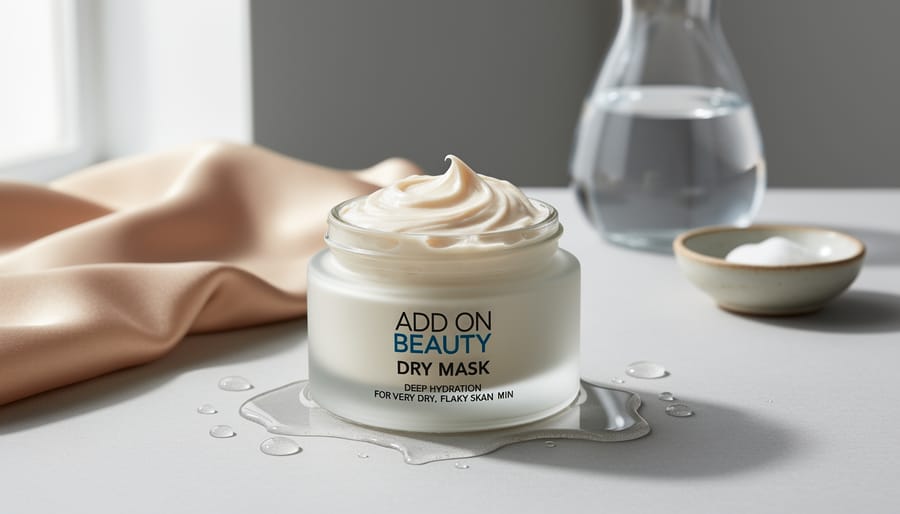
When my Add On Beauty Dry Mask arrived, I have to admit I was instantly drawn to the minimalist packaging. The box felt substantial in my hands, not flimsy like some beauty products I’ve received before. The clean white design with simple typography gave off that elevated skincare vibe without being pretentious, which I appreciated right away.
Opening the jar itself was my favorite part of the unboxing. The thick glass container felt luxurious and weighty, the kind of packaging you’ll definitely want to repurpose once you’ve finished the product. I’m always looking for ways to reduce waste in my skincare routine, so this scored major points with me.
The texture surprised me in the best way possible. I expected something thick and clay-like based on the word “mask,” but this formula was more of a creamy, whipped consistency. It reminded me of a really rich face butter, which immediately made me think it would be perfect for my chronically dry patches around my nose and cheeks.
As for the scent, it was subtle and slightly herbal without being overwhelming. Some masks can smell medicinal or too heavily fragranced, which often irritates my sensitive skin. This one struck the right balance, with just enough of a pleasant aroma to feel like a treat without triggering any concerns.
Before even applying it, I could tell this wasn’t going to be your typical rinse-off situation, and I was curious to see how it would perform overnight.
Key Ingredients That Caught My Attention
When I first looked at the ingredient list for this mask, I’ll admit I was a bit skeptical—there are so many products promising miracles these days. But after doing some digging and seeing how my skin responded, a few standout ingredients really impressed me.
Hyaluronic acid is the headliner here, and for good reason. Think of it as a moisture magnet that can hold up to 1,000 times its weight in water. For dry skin, this is huge because it doesn’t just sit on the surface—it actually pulls moisture into your skin cells and keeps it there. I’ve used plenty of hydrating face mask products before, but the way this ingredient works makes a noticeable difference in how plump my skin feels afterward.
Next up is niacinamide, which I’ve learned is basically a multitasker’s dream. It helps strengthen your skin’s natural barrier—that protective layer that keeps moisture in and irritants out. When you have dry skin, that barrier is often compromised, so reinforcing it means your skin can actually hold onto hydration better long-term. I noticed less flakiness after consistent use, which I’m convinced is thanks to this ingredient.
The formula also includes ceramides, which honestly deserves more hype than it gets. These are lipids that naturally exist in your skin, acting like the mortar between bricks in a wall. When they’re depleted, moisture escapes more easily. Replenishing them through a mask helps patch up those gaps, making your skin feel smoother and less tight.
Finally, there’s glycerin—a simple but effective humectant that draws water from the air into your skin. It’s not fancy or trendy, but it works reliably every single time.
What I appreciate most is that these ingredients work together rather than competing for attention. They each tackle dry skin from different angles, creating a comprehensive approach that actually delivers results.
How I Used the Mask (And What Worked Best)
When I first started using dry skin masks, I’ll admit I was a bit haphazard with my approach. I’d slap them on whenever my skin felt tight, sometimes leaving them on too long, other times barely giving them enough time to work. Through plenty of trial and error, I finally landed on a routine that transformed my results completely.
Here’s the application process that worked best for me:
- Cleanse your face gently with a hydrating cleanser and pat dry, leaving skin slightly damp
- Apply the mask in an even layer using clean fingers or a brush, avoiding the eye and lip areas
- Leave it on for exactly 15 minutes while relaxing (I set a timer to avoid overdrying)
- Remove with lukewarm water using gentle circular motions
- Follow immediately with your regular serum and moisturizer while skin is still damp
The timing piece was crucial. I discovered that using the mask twice a week yielded the best results without overwhelming my skin. Monday and Thursday evenings became my dedicated mask nights, which helped me stay consistent.
One game-changing tip I learned was to apply the mask in a humid bathroom right after showering. The steam helps keep your skin from getting too dry during the masking process. I also started misting my face with thermal water halfway through if the mask felt like it was drying too quickly.
The biggest mistake I made initially was using the mask on completely dry skin and then skipping moisturizer afterward. That actually left my skin feeling tighter than before. Now I know that proper preparation and follow-up care are just as important as the mask itself. These small adjustments made all the difference in achieving that plump, hydrated complexion I was after.
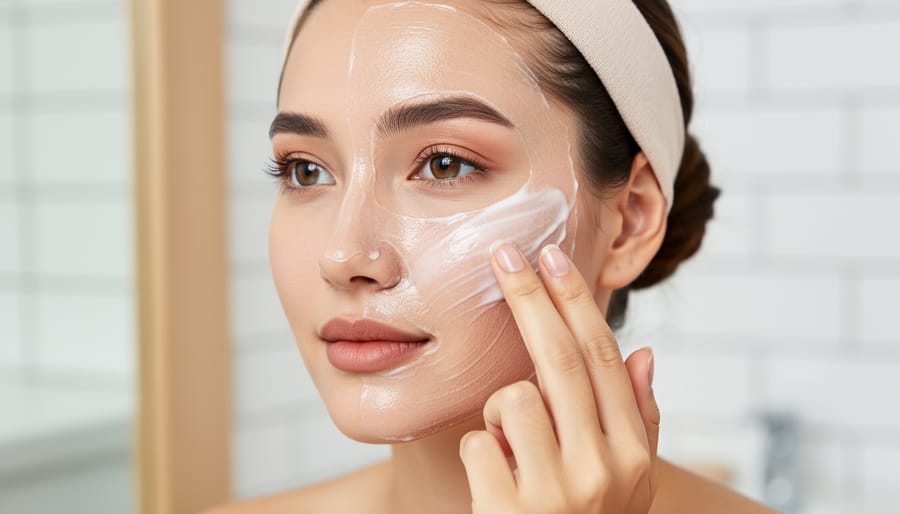
Real Results: My 4-Week Experience
I’ll be completely honest with you—I went into this four-week dry skin mask journey with cautious optimism. My cheeks had been feeling tight and flaky for months, and I was ready to try something new.
Week 1: Getting Started
The first application felt incredibly soothing. I used the mask twice during that initial week, and while my skin felt softer immediately after rinsing, the effects only lasted about a day. I noticed some minor improvements in texture, but those stubborn dry patches around my nose were still hanging on. I’ll admit, I was slightly disappointed but reminded myself that real skincare changes take time.
Week 2: Small Shifts
By the second week, something clicked. I started applying the mask three times per week, and my skin seemed to drink it up. The morning-after glow became more noticeable, and that tight feeling I’d wake up with started easing. My foundation went on smoother too, which was a pleasant surprise. However, I did experience one mild breakout on my chin—likely my skin adjusting to the new routine.
Week 3: Turning Point
This is where things got exciting. The flakiness that had plagued my cheeks for so long was visibly reduced. I could actually go without heavy moisturizer during the day, which felt liberating. My skin looked plumper and more hydrated overall. Friends started commenting that I looked “well-rested,” which is code for “your skin looks great.”
Week 4: Sustainable Results
By the final week, I’d found my rhythm—using the mask three times weekly felt perfect for my skin’s needs. The dry patches were about 80% improved, and my complexion looked more even and healthy. I won’t claim it’s a miracle cure, but the consistent hydration made a genuine difference.
The reality? This isn’t an overnight fix. You need patience and consistency. Some days my skin still feels drier than others, especially after long flights or during harsh weather. But having this mask in my routine gave me a reliable tool to combat dryness when it strikes. For anyone dealing with similar issues, I’d say give it the full four weeks before deciding—that’s when the real magic happens.
The Honest Pros and Cons
Let me be completely upfront with you about this mask, because I believe you deserve to know exactly what you’re getting before spending your money. After using it consistently for several weeks, I’ve noticed some genuinely impressive results alongside a few considerations you should keep in mind.
- Provides immediate hydration that lasts throughout the day without feeling greasy.
- Works beautifully under makeup without pilling or creating a slippery base.
- Gentle enough for sensitive skin types that typically react to heavy treatments.
- Contains ceramides and hyaluronic acid that actually penetrate rather than just sitting on the surface.
- The price point is higher than many drugstore alternatives at around $38 per jar.
- Takes about 15-20 minutes to fully absorb, which requires patience in your routine.
- May feel too rich for combination skin during humid summer months.
- The jar packaging isn’t the most hygienic option compared to pump or tube formats.
What I really appreciate is how this mask addresses the root causes of dryness rather than just masking symptoms temporarily. The texture might seem thick at first, but it melts into skin beautifully without that suffocating feeling some heavy creams leave behind. If you’re looking for comparable options, I’ve also tested another effective mask that tackles dehydration differently.
The biggest question comes down to your budget and commitment level. If you’re willing to invest in a quality treatment that delivers consistent results, this mask justifies its cost. However, if you prefer trying more affordable options first or struggle with a lengthy skincare routine, you might want to explore lighter alternatives before committing to this one.
Who Should (and Shouldn’t) Try This Mask
This mask is your best friend if you’re dealing with chronically dry, flaky, or dehydrated skin that needs intense moisture. I’ve found it particularly helpful during winter months when my skin feels tight and uncomfortable, or after flights when my face desperately needs rehydration. It’s also excellent for anyone who’s overdone it with active ingredients like retinol or acids and needs some serious skin barrier repair.
People with mature skin will appreciate the plumping effect from all that hydration, and if you’re someone who loves a good self-care ritual, the cooling sensation makes this feel like a spa treatment at home. The gentle formula works well for most sensitive skin types too, though I’d always recommend patch testing first.
However, if you’re dealing with oily or acne-prone skin, this might be too rich for regular use. You could still benefit from it occasionally when your skin feels dehydrated (yes, oily skin can be dehydrated too), but daily use might leave you feeling greasy. Similarly, if you’re on a tight budget, the price point might give you pause. Consider trying the Di Morelli face mask as an alternative that delivers similar hydration benefits.
Also skip this if you prefer super-fast skincare routines. This mask requires 15-20 minutes of commitment, so it’s not ideal for rushed mornings.
Questions You Might Be Wondering
How often should I use a dry skin mask?
For most dry skin masks, 2-3 times per week is the sweet spot. If your skin is extremely dehydrated, you can use it every other day initially, then scale back once your moisture barrier improves.
Can I use a hydrating mask with other skincare products?
Absolutely! Apply your mask on clean skin, then follow with your regular serums and moisturizer once you remove it. Just avoid using harsh exfoliants or retinol on the same night to prevent irritation.
How long does a dry skin mask typically last?
Most masks have a shelf life of 12-24 months unopened, and 6-12 months once opened. Always check the PAO symbol on the packaging and store it in a cool, dry place to maintain freshness.
Are dry skin masks worth the investment?
If you struggle with chronic dryness, a good mask can be a game-changer and often more cost-effective than constantly buying heavy creams. Look for masks with proven hydrating ingredients like hyaluronic acid, ceramides, or glycerin for the best value.
When it comes to purchasing, you’ll find dry skin masks at various retailers. Drugstores carry affordable options, while department stores and specialty beauty shops stock premium brands. I personally love shopping at places like Sephora or Ulta because you can often get samples before committing to full-size products. Online shopping gives you access to customer reviews, which I find incredibly helpful for gauging real-world results.
One thing I’ve learned through trial and error is that price doesn’t always equal effectiveness. Some of my favorite masks have been mid-range products that delivered better results than luxury versions. The key is reading ingredient lists and understanding what your skin actually needs rather than falling for fancy packaging or influencer hype.
After spending several weeks with the Add On Beauty Dry Mask, I can honestly say it’s become a reliable ally in my skincare routine. While it might not work miracles overnight, it consistently delivers on its promise to hydrate and nourish dry, thirsty skin. The gentle formulation makes it suitable for sensitive skin types, and the visible improvements in texture and comfort are worth noting.
That said, every person’s skin is unique. What works beautifully for my dry patches might perform differently on yours, and that’s perfectly normal. I’d encourage you to really think about what your skin needs most—is it intense hydration, barrier repair, or perhaps a boost of radiance? Understanding your specific concerns will help you choose the right product.
If you’re dealing with persistent dryness and looking for a mask that offers consistent results without irritation, this one deserves a spot on your shortlist. It’s not the flashiest product out there, but it’s dependable and effective.
I’d love to hear about your experiences with dry skin masks! Have you tried this particular product, or do you have questions about managing dry skin? Drop your thoughts in the comments below—let’s learn from each other’s skincare journeys.