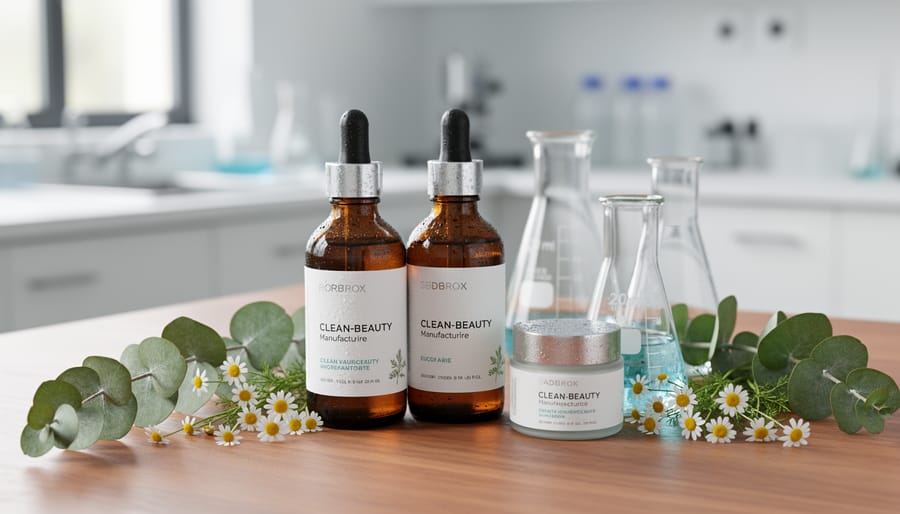
Nature’s own cosmetics refers to beauty products formulated with naturally derived ingredients, and it’s also the name of a prominent Toronto-based manufacturing company that’s been helping brands bring clean beauty products to market. If you’re here wondering whether “nature’s own” means a specific brand or a broader trend, the answer is both. The term captures the growing movement toward plant-based, minimally processed skincare while also representing Nature’s Own Cosmetics, a leading private label manufacturer that helps small to large cosmetic organizations build their brands.
I’ve spent years watching the clean beauty space evolve, and the confusion around this term is completely understandable. When you search for nature’s own cosmetics, you might find everything from DIY recipes using kitchen ingredients to sophisticated botanical formulations created in ISO-certified facilities. The reality is more nuanced than many realize.
Nature’s Own Cosmetics operates an ISO 9001, ISO 14001, and ISO 22716 certified facility in Toronto, Ontario, fully compliant with Health Canada GMP guidelines. This manufacturing reality matters because many brands you see on shelves don’t actually make their own products. They partner with companies like Nature’s Own Cosmetics to formulate, test, and produce their lines. Understanding this behind-the-scenes structure helps you make smarter purchasing decisions, especially when evaluating which “natural” claims actually hold weight.
Whether you’re curious about starting your own beauty line or simply want to understand what sets nature-inspired cosmetics apart from conventional products, knowing the manufacturing landscape gives you real power as a consumer.
What Makes ‘Nature’s Own Cosmetics’ Different from Regular Natural Beauty
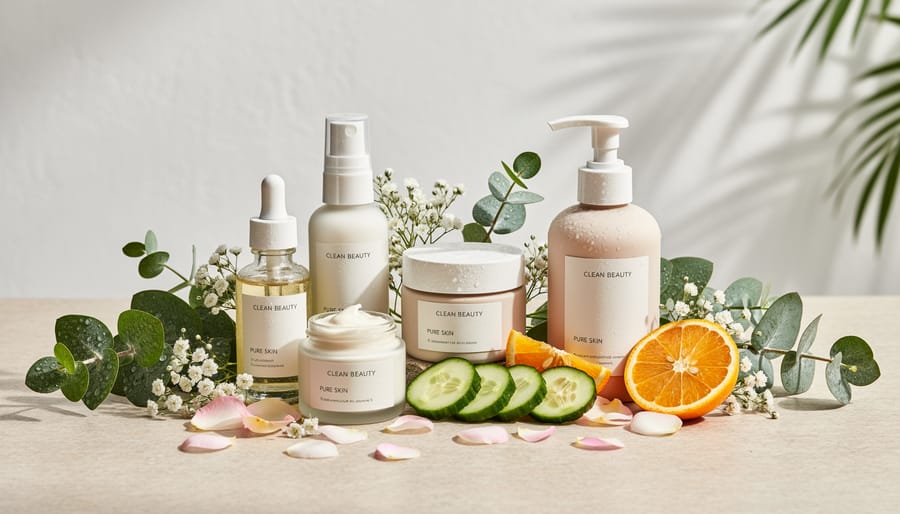
Walking through the beauty aisle, you’ve probably noticed countless products boasting “natural” or “botanical” labels. But here’s what most people don’t realize: there’s a meaningful difference between slapping a leaf logo on packaging and building products through rigorous manufacturing standards.
Nature’s Own Cosmetics operates as a private label and custom manufacturing company, which means they’re not creating products you’ll find under their own brand name on store shelves. Instead, they partner with small to large cosmetic organizations to develop and manufacture products that eventually carry other brand names. This behind-the-scenes role fundamentally shapes their approach.
The distinction comes down to manufacturing philosophy. While many brands focus purely on ingredient sourcing and marketing natural components, companies like Nature’s Own Cosmetics prioritize the entire production environment. Their Toronto facility holds ISO 9001, ISO 14001, and ISO 22716 certifications, and maintains full compliance with Health Canada GMP guidelines. These aren’t just alphabet soup credentials. They represent systematic quality control, environmental management, and cosmetic-specific good manufacturing practices that govern everything from raw material handling to final product testing.
Think of it this way: a brand might use naturally-derived ingredients but manufacture them in inconsistent conditions. A manufacturer focused on nature-inspired cosmetics integrates quality systems that ensure every batch meets the same standards, regardless of which brand label goes on the bottle. That consistency matters when you’re trusting a product on your skin daily. The certifications provide accountability that ingredient lists alone can’t guarantee.
Behind the Scenes: How Nature’s Own Cosmetics Manufactures for Brands
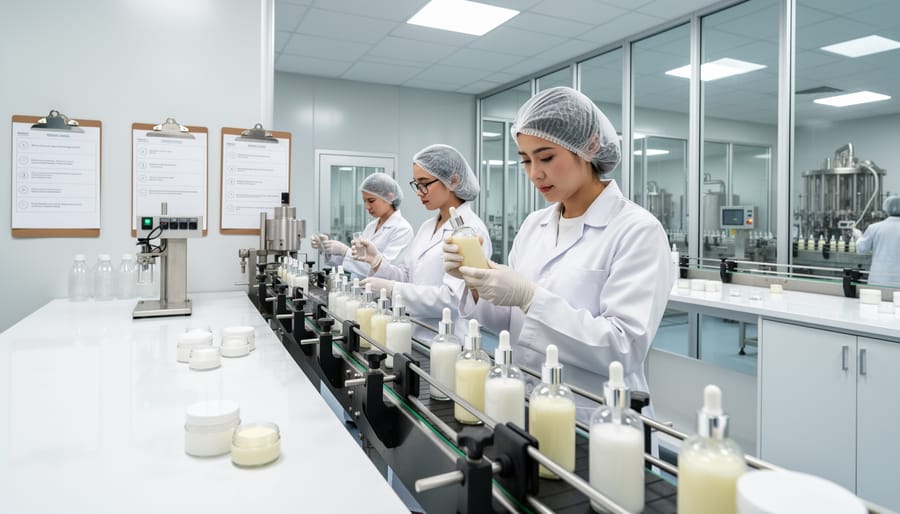
The Certification Standards That Matter
When you’re scanning product labels, those ISO certification badges and GMP stamps aren’t just corporate decoration, they’re your assurance that what you’re putting on your skin meets strict international standards. Nature’s Own Cosmetics holds three key ISO certifications alongside Health Canada GMP compliance, and understanding what each one actually guarantees helps you make smarter choices.
- ISO 9001
- This certification confirms a company maintains consistent quality management systems across all operations. It means every batch follows the same rigorous processes, reducing the risk of formulation errors or contamination.
- ISO 14001
- An environmental management standard that ensures manufacturing practices minimize ecological impact. For nature-inspired products, this certification adds credibility to sustainability claims.
- ISO 22716 (Cosmetics GMP)
- The gold standard specifically for cosmetics manufacturing, covering everything from ingredient handling to final packaging. This certification directly addresses the hygiene and safety protocols that protect your skin.
- Health Canada GMP Compliance
- Beyond international standards, this ensures facilities meet Canada’s specific requirements for cosmetic production, including ingredient safety evaluations and proper labelling practices.
Here’s what this layered certification approach means practically: if you develop a skin reaction to a product, these standards make it far easier to trace the issue. The documentation requirements built into ISO 22716 and GMP compliance mean manufacturers can identify exactly which ingredients came from which supplier and when your specific batch was produced. That level of transparency becomes crucial when you’re dealing with sensitive skin or trying to pinpoint an allergen.
From Concept to Shelf: The Manufacturing Partnership
When you purchase a skincare product from your favorite boutique brand, there’s a good chance it was created through a manufacturing partnership rather than in that brand’s own facility. This is where the private label beauty model comes into play, and it’s not something to be wary of.
Here’s how it typically works: a brand comes to a manufacturer like Nature’s Own Cosmetics with a concept, whether that’s a specific ingredient focus, a target market, or a complete product vision. The manufacturer then handles formulation development, testing, production, and often packaging. The brand focuses on marketing, customer relationships, and building their identity.
This partnership model means the serum you love from a small indie brand might share production space with products from much larger companies. What matters isn’t whether the brand owns its factory, but rather the manufacturing standards in place. When a facility holds ISO certifications and Health Canada GMP compliance, you’re getting consistent quality regardless of which label goes on the bottle.
For you as a consumer, this means looking past the brand story to understand who’s actually making the product and what standards they follow.
Why This Trend Matters for Your Skincare Routine
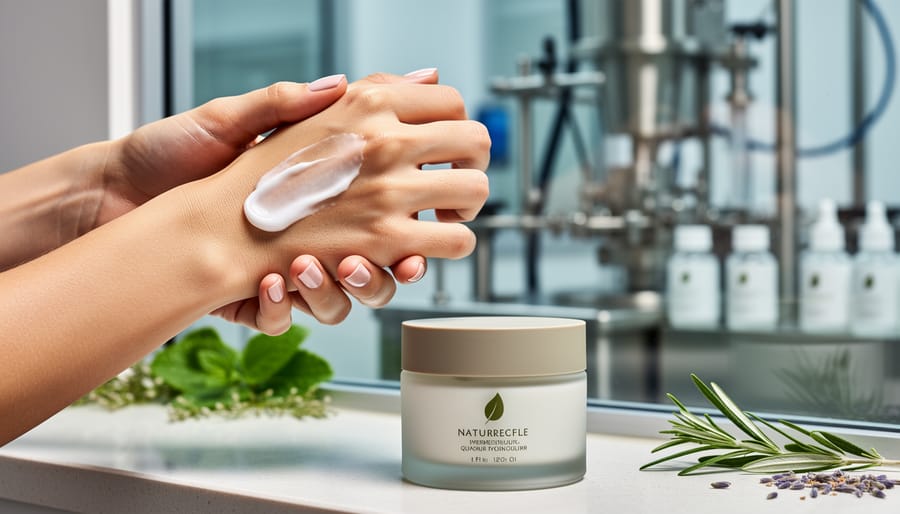
Understanding the manufacturing quality behind your skincare products directly impacts what you put on your skin every day. When a manufacturer holds ISO 9001 certification and maintains Health Canada GMP compliance, you’re benefiting from rigorous quality control systems that most consumers never see. These standards mean consistent batch testing, documented ingredient sourcing, and systematic checks at every production stage.
For your daily routine, this translates to predictable results. The serum you loved last month will perform the same way when you repurchase it because manufacturing protocols ensure formulation consistency. You won’t experience the frustrating variability that sometimes happens with less regulated production, where one jar works beautifully and the next feels completely different.
The private label model also brings surprising advantages. When a manufacturer like Nature’s Own Cosmetics produces for multiple brands, they develop deep expertise in specific formulation types. That accumulated knowledge means better stability testing, refined preservation systems, and formulations that actually work as intended. The company serving small startups and established organizations alike must maintain standards that satisfy diverse quality requirements.
When shopping, look beyond the brand story to ask practical questions. Does the manufacturer maintain recognized certifications? Can you find information about their facility standards? Products made in facilities with ISO 22716 certification follow cosmetic-specific good manufacturing practices, which matters more than most marketing claims.
This isn’t about choosing expensive over affordable. It’s about recognizing that serious manufacturing standards create genuinely better products. Your skin deserves formulations made with systematic quality control, not just appealing packaging and nature-inspired promises. Understanding what happens behind the scenes helps you invest in products that deliver consistent, safe results.
What to Consider When Choosing Nature-Inspired Products
I learned this the hard way: spotting genuinely quality nature-inspired products isn’t about counting how many botanical names appear on the label. Start by flipping the package over and scanning the ingredient list. Quality manufacturers place active ingredients near the top, not buried at the end where they’re present in trace amounts. When you see a product touting its “natural essence” but listing synthetic fragrances and unnecessary preservatives in the first five ingredients, that’s a red flag.
Certifications tell you more than marketing copy ever will. Look for specific standards like ISO 22716 for cosmetic manufacturing or Health Canada GMP compliance if you’re shopping Canadian brands. These aren’t just fancy acronyms, they mean the facility follows strict quality control protocols. A company might claim “clean beauty,” but certifications prove they’ve submitted to third-party verification.
My personal rule is reading what comes after the preservatives. Many brands load up on fillers and thickeners that don’t benefit your skin. If you’re specifically seeking plant-based retinol or other active ingredients, verify they’re present in meaningful concentrations, not just sprinkled in for label appeal.
I also pay attention to what’s deliberately left out. Products manufactured with proper standards often highlight what they don’t include. Fragrance-free skincare matters more than most people realize, especially when you’re building a routine around nature-inspired formulations that already contain plant extracts.
The best products strike a balance between botanical ingredients and proven science. Don’t fall for the trap of thinking “100% natural” automatically means better, your skin needs effective formulations, and sometimes that requires synthesized versions of naturally-occurring compounds for stability and safety.
The Future of Clean Beauty Manufacturing
The clean beauty manufacturing landscape is shifting toward what I call “informed transparency”, where brands don’t just slap “natural” on a label but actually partner with certified facilities that can prove their claims. We’re seeing manufacturers like Nature’s Own Cosmetics set a new baseline with multiple ISO certifications and regulatory compliance, which pushes the entire industry to level up.
What excites me most is how science and nature are finally working together instead of being positioned as opposites. The future isn’t about choosing between a lab-created peptide or a plant extract, it’s about manufacturers who understand how to combine both responsibly. Toronto facilities meeting Health Canada GMP standards today will likely influence global manufacturing practices tomorrow, creating ripple effects across borders.
I’ve noticed more skincare enthusiasts asking about what happens before their favorite serum reaches the shelf. That curiosity is changing the conversation. By 2027, I expect we’ll see consumers routinely checking not just ingredient lists but also asking which certified facility produced their products and what standards governed that production.
The manufacturers who thrive will be those who can deliver both the clean formulations consumers want and the rigorous quality controls that keep products safe and effective. It’s less about perfection and more about accountability, something the beauty industry desperately needs.
Understanding what goes into your skincare products matters more than ever. When you pick up a bottle promising natural ingredients and clean formulations, knowing who’s actually making it, and what standards they follow, can change how you shop. The rise of clean beauty manufacturing has shown us that quality doesn’t always come from the brand name on the label. It comes from the facility, the certifications, and the processes behind the scenes.
Next time you’re browsing skincare aisles, take a moment to look beyond the marketing story. Ask about manufacturing standards. Check for certifications like ISO 9001 or GMP compliance. These details aren’t flashy, but they’re what actually protect your skin and ensure you’re getting what you paid for. Your skincare routine deserves that level of care and attention, and honestly, so do you.