Vegan retinol exists, and it works beautifully for anti-aging when you know what to look for. The confusion starts because most retinol itself is synthetically made and technically vegan, but many formulas still contain animal-derived ingredients like lanolin, squalane from shark liver, or beeswax. True vegan retinol skincare uses plant-based alternatives alongside synthetic vitamin A derivatives, plus emerging options like bakuchiol that deliver similar results without any animal products or testing.
I learned this the hard way after discovering my favorite retinol serum contained fish-derived ingredients buried in the inactive list. As someone committed to cruelty-free beauty, I needed products that actually matched my values without sacrificing the skin-smoothing, line-reducing benefits I’d come to love.
The good news? Plant-based retinol alternatives have evolved tremendously. You can now find genuinely vegan formulas with synthetic retinol, encapsulated retinaldehyde, or botanical alternatives that work alongside vitamin C for brightening and collagen support. The key is understanding certifications, reading ingredient lists carefully, and knowing which plant-based actives complement each other rather than causing irritation.
This guide breaks down what makes retinol genuinely vegan, compares the most effective alternatives available in 2026, and walks you through selecting products that fit your skin type and ethical standards. You’ll learn which combinations work, common formulation pitfalls to avoid, and how to build a complete plant-based anti-aging routine that actually delivers visible results. Whether you’re switching from conventional retinol or starting fresh, these insights will help you make confident, informed choices.
What Makes Retinol ‘Vegan’ and Why It Matters
Here’s a reality check that might surprise you: not all retinol is created equal when it comes to vegan skincare. I learned this the hard way after buying what I thought was a plant-based retinol, only to discover the formula included animal-derived ingredients and had been tested on animals during development. That experience taught me to look beyond marketing buzzwords.
Retinoids are vitamin A derivatives and while the active ingredient itself can be synthesized in labs without animal products, the distinction between “vegan” and conventional retinol goes deeper than the molecule. Traditional retinol products often contain animal-derived stabilizers, emulsifiers, or carrier ingredients like lanolin, collagen, or beeswax. They may also undergo animal testing, particularly when sold in markets with strict regulatory requirements.
Vegan retinol alternatives sidestep these issues entirely. Some brands formulate with plant-derived retinol or synthetic versions produced without animal testing. Others use bakuchiol, which rivals retinol for anti-aging benefits without irritation, extracted from the babchi plant. The key difference isn’t just what’s in the bottle but how it got there.
When shopping, certifications matter more than ever. Reliable vegan retinol should be 100% vegan, cruelty-free, and free from parabens, sulfates, phthalates, and synthetic fragrances. These distinctions protect both your values and your skin. Parabens and sulfates can irritate sensitive skin, while phthalates raise health concerns many conscious consumers want to avoid. Cruelty-free certification ensures no animal testing occurred at any production stage.
Why does this matter for skin health? Cleaner formulations often mean fewer potential irritants and a lower risk of allergic reactions. For your conscience, it means your anti-aging routine aligns with your ethics without compromising results.
Types of Vegan Vitamin A Alternatives Compared
Bakuchiol: The Gentle Retinol Alternative
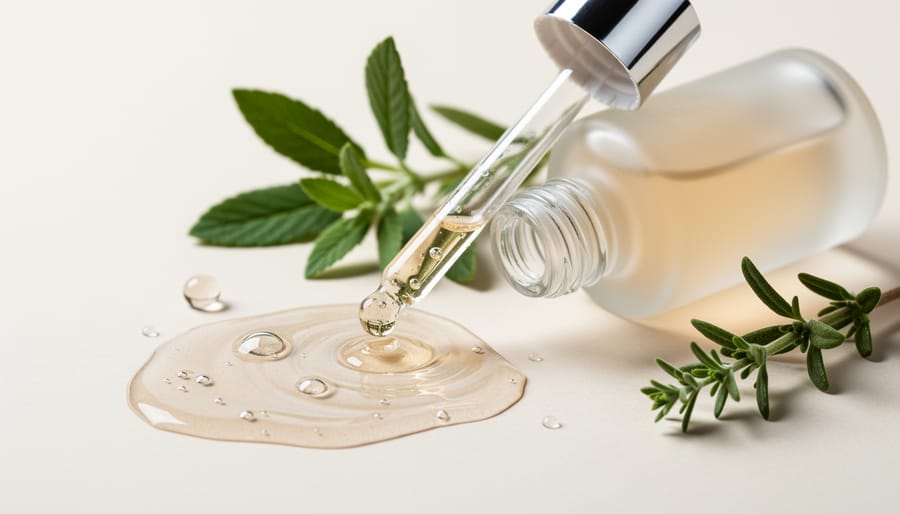
Bakuchiol has emerged as the standout plant-based alternative for anyone who wants retinol’s anti-aging effects without the irritation. Extracted from the babchi plant, it delivers visible improvements in fine lines, firmness, and hyperpigmentation by stimulating collagen production and accelerating cell turnover, mechanisms nearly identical to retinol’s. The difference? Studies show bakuchiol better tolerated than retinol, with significantly less redness, dryness, and peeling even at comparable concentrations.
Who should reach for bakuchiol? It’s ideal for sensitive skin types, first-time vitamin A users, and anyone who’s tried retinol but abandoned it due to irritation. Pregnant and breastfeeding individuals often choose bakuchiol too, though you should always consult your doctor before introducing new actives. I switched to bakuchiol during a period of barrier damage and saw smoother texture within four weeks, no flaking, no downtime. If you’re committed to vegan skincare but worried about sacrificing results, bakuchiol proves you don’t have to compromise.
Plant-Derived Retinol and Retinoids
While retinoids remain the gold-standard ingredients for skincare, true plant-derived versions are rare. Most products labeled “vegan retinol” actually contain synthetic retinol manufactured without animal testing rather than extracted from plants. The key distinction: synthetic retinol can be vegan if the production process avoids animal-derived ingredients and cruelty, but it’s chemically identical to conventional retinol.
Prescription-strength retinoids like tretinoin are vitamin A derivatives that deliver powerful results but typically come with irritation. Vegan alternatives focus on either synthetic retinol produced through ethical manufacturing or entirely different compounds like bakuchiol that mimic retinol’s effects without the vitamin A structure.
What matters most isn’t whether the molecule grew in soil, but rather the certifications backing it. A synthetic retinol that’s 100% vegan, cruelty-free, and free from parabens, sulfates, phthalates, and synthetic fragrances can be just as aligned with plant-based values as any botanical extract. The confusion often stems from marketing: “plant-derived” sounds appealing, but verified vegan and cruelty-free synthetic options deliver the same anti-aging benefits without compromise.
Natural Vitamin C Pairings
Vitamin C from natural sources provides powerful antioxidant protection that complements vegan retinol alternatives beautifully. While bakuchiol and plant-derived retinoids work to boost cell turnover and stimulate collagen, a vitamin C serum tackles free radical damage and brightens hyperpigmentation. This pairing creates a one-two punch: vitamin C shields your skin from environmental stressors during the day, while your retinol alternative repairs and renews overnight. The synergy between these ingredients means you’re addressing multiple signs of aging simultaneously, fine lines, uneven tone, and loss of firmness, without doubling down on irritation. Just remember to apply vitamin C in the morning and your retinol alternative at night to maximize stability and effectiveness.
Key Factors When Choosing Vegan Retinol Products
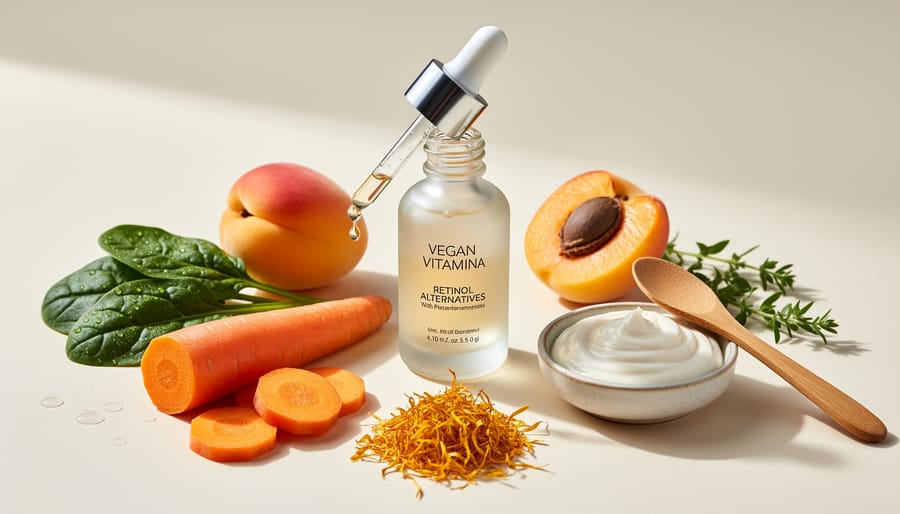
When you’re shopping for vegan retinol alternatives, five core factors separate products that deliver from those that disappoint. Start with ingredient certifications: look for clear labeling that confirms 100% vegan, cruelty-free status and products free from parabens, sulfates, phthalates, and synthetic fragrances. Legitimate brands display third-party certifications like Leaping Bunny or PETA approval rather than vague “natural” claims, and they should transparently list every ingredient without hiding behind proprietary blends.
- Verify vegan and cruelty-free certifications from recognized third parties
- Check concentration levels of active ingredients like bakuchiol or retinoid alternatives
- Examine formulation quality and complementary ingredients that support efficacy
- Confirm air-tight, opaque packaging to preserve vitamin A stability
- Assess price-to-value ratio based on concentration and product size
- Research brand transparency about sourcing and manufacturing practices
Concentration levels matter more than you might expect. Effective bakuchiol formulas typically contain 0.5% to 2%, while plant-derived retinoids work at lower percentages than synthetic versions. A product boasting “retinol alternative” without listing concentration is a red flag. I learned this after buying a serum that listed bakuchiol fourth on the ingredient list, meaning it contained less than the humectants and fillers above it.
Packaging directly affects whether your product works beyond the first week. Vitamin A derivatives degrade rapidly when exposed to light and air, so choose products in air-tight, opaque bottles with pump dispensers rather than jars or clear glass. One serum I used came in a dropper bottle that let air in with every use, and the formula turned yellow and stopped working within a month.
Price-to-value deserves careful calculation. Divide the cost by milliliters and compare the concentration of actives. A $60 serum with 1% bakuchiol in 30ml costs the same per dose as a $40 option with the same concentration in 20ml. Canadian-made brands often offer better value because shorter supply chains reduce markup without sacrificing quality.
Finally, brand transparency tells you whether a company stands behind its vegan claims. Companies that are genuinely committed provide detailed sourcing information, publish full ingredient lists on their websites, and respond directly to questions about their cruelty-free status. If a brand deflects or offers only marketing language when you ask how they verify suppliers, keep looking.
Top Vegan Retinol and Vitamin C Product Recommendations for 2026
Best for Beginners
If you’re new to vitamin A skincare, start with bakuchiol-based serums or creams that deliver anti-aging benefits without the redness, peeling, or photosensitivity that traditional retinol can cause. Bakuchiol rivals retinol for results but works gently enough for nightly use right from the start, making it ideal if you’ve never used a retinoid before or have reactive skin.
Look for products with bakuchiol concentrations between 0.5% and 1%, paired with hydrating ingredients like hyaluronic acid or squalane to keep your skin barrier happy. Many Canadian clean beauty brands now offer beginner-friendly formulas that are 100% vegan, cruelty-free, and free from parabens, sulfates, phthalates, and synthetic fragrances, certifications that matter when you’re building an ethical routine.
Start by applying your chosen product three nights a week, then gradually increase frequency as your skin adapts. You’ll typically notice smoother texture and improved tone within four to six weeks, without the adjustment period that comes with conventional retinoids. Pair with a simple moisturizer and SPF during the day, and you’ve got a foolproof entry into vitamin A skincare.
Best for Sensitive Skin
For sensitive skin, bakuchiol-based formulas are your safest entry point into vegan vitamin A skincare. This plant-derived alternative delivers anti-aging benefits without the irritation, redness, or peeling that traditional retinoids often trigger. Look for products with bakuchiol concentrations between 0.5% and 2%, paired with soothing ingredients like chamomile, oat extract, or centella asiatica.
The best sensitive-skin formulas are 100% vegan, cruelty-free, and free from parabens, sulfates, phthalates, and synthetic fragrances, all of which can aggravate reactive skin. Canadian-made brands often excel in this category, formulating clean products that prioritize gentleness without sacrificing effectiveness.
Start with every-other-night application, using just a pea-sized amount after cleansing. If your skin tolerates it well after two weeks, increase to nightly use. Pair with a ceramide-rich moisturizer to strengthen your skin barrier. Unlike traditional retinoids, bakuchiol can be used morning or evening, though most people prefer nighttime application.
Watch for formulas that combine bakuchiol with natural vitamin C, this pairing provides powerful antioxidant protection while minimizing any potential sensitivity. The key is patience: bakuchiol works gradually, showing visible results in eight to twelve weeks rather than the accelerated timeline of synthetic retinoids.
Best Retinol and Vitamin C Combinations
Pairing vegan retinol alternatives with vitamin C multiplies the anti-aging and brightening power of your routine, but timing is everything. The classic approach separates them: use a bakuchiol or plant-derived retinoid serum at night to boost cell turnover and smooth fine lines, then apply a natural vitamin C serum in the morning to defend against free radicals and fade dark spots. This schedule prevents any potential irritation and lets each ingredient work at its ideal pH.
If you prefer an all-in-one approach, look for formulas that stabilize both actives in a single product. Some Canadian-made brands now offer serums that combine bakuchiol with stable vitamin C derivatives like sodium ascorbyl phosphate, delivering antioxidant protection and gentle retinol-like benefits without the juggling act. I’ve found these particularly useful when traveling or simplifying a crowded shelf.
When choosing a combination routine, prioritize products that are 100% vegan, cruelty-free, and free from parabens, sulfates, phthalates, and synthetic fragrances. Start with lower concentrations, around 0.5% bakuchiol and 5-10% vitamin C, and increase gradually as your skin adapts. Pay attention to packaging: air-tight pumps preserve potency far better than dropper bottles.
Common Mistakes to Avoid When Buying Vegan Retinol
I learned this the hard way when I grabbed a serum labeled “botanical retinol blend,” only to discover it contained beeswax and carmine three ingredients down the list. Greenwashing is rampant in the vegan skincare space, where brands slap leafy logos on packaging without holding genuine certifications. Always look for explicit cruelty-free and vegan badges from recognized certifiers, and cross-reference brand claims with vetted databases before purchasing.
Another common mistake is ignoring concentration details or assuming all bakuchiol formulas work the same. I once bought a pricey bakuchiol cream that listed the ingredient near the bottom, meaning the actual concentration was negligible and delivered zero results after months of use. Effective bakuchiol typically appears in the first five ingredients, while plant-derived retinoids should clearly state their percentage or potency level. If a brand won’t disclose concentration, that’s a red flag.
Skipping the patch test is a mistake I made early on, thinking vegan automatically meant gentle. Even bakuchiol can cause reactions depending on what it’s formulated with, especially if combined with high-strength acids or multiple actives in one product. I broke out in hives from a “calming” bakuchiol serum that also contained seven essential oils. Test any new retinol alternative on your inner forearm for 24 hours, and introduce it slowly into your routine rather than diving in nightly.
How to Incorporate Vegan Retinol Into Your Routine
Starting a vegan retinol routine requires patience and a strategic approach, not the all-in enthusiasm that often leads to irritated, peeling skin. I learned this the hard way when I slathered on bakuchiol nightly from day one and wondered why my combination skin felt tight and looked angry by week two.
Begin with once or twice weekly application in the evening, regardless of whether you’re using bakuchiol or plant-derived retinoids. Your skin needs time to adapt to increased cell turnover, even with gentler alternatives. Apply your vegan retinol alternative to clean, dry skin, waiting five minutes after cleansing prevents excess irritation. Use a pea-sized amount across your entire face, then follow with a nourishing moisturizer to lock in hydration.
Here’s where vitamin C enters the picture: keep it in your morning routine. Vitamin C from natural sources provides powerful antioxidant protection against free radical damage throughout the day, while your retinol alternative works overnight to boost cell renewal. This separation prevents any potential interaction between the two actives and maximizes their individual benefits. I apply vitamin C serum after cleansing, wait for it to absorb, then layer sunscreen as my final step.
After four to six weeks at twice weekly, assess your skin’s response. If you’re tolerating it well with no persistent redness or flaking, gradually increase to every other night, then eventually nightly if desired. Some people find their sweet spot at three times weekly, and that’s perfectly fine. Your skin will tell you what it needs, redness, stinging, or excessive dryness means you’ve pushed too hard too fast.
During the adjustment phase, simplify the rest of your routine. Skip acids, physical exfoliants, and other potentially irritating actives on retinol nights. My current routine pairs bakuchiol four nights weekly with a minimal, hydrating lineup that lets my skin focus on renewal rather than damage control.
Frequently Asked Questions
Is vegan retinol as effective as conventional retinol?
Plant-based alternatives like bakuchiol deliver comparable anti-aging benefits to traditional retinol, including reduced fine lines and improved skin texture, often with less irritation. While synthetic retinoids remain gold-standard ingredients, vegan options work through similar pathways to boost collagen production and cell turnover.
Can I use bakuchiol with vitamin C?
Yes, bakuchiol pairs beautifully with vitamin C from natural sources, which provides powerful antioxidant protection. Unlike traditional retinol, bakuchiol is stable enough to layer with vitamin C in the same routine without degradation or increased sensitivity.
Are vegan retinol alternatives safe during pregnancy?
Bakuchiol is generally considered safer than vitamin A derivatives like tretinoin during pregnancy, but you should always consult your healthcare provider before introducing any active ingredients to your routine. Many expecting mothers choose plant-based alternatives as a gentler approach to maintaining skin health.
How do I verify a product is truly vegan?
Look for products that are 100% vegan, cruelty-free, and free from parabens, sulfates, phthalates, and synthetic fragrances with third-party certifications clearly listed. Check brand websites for transparency about ingredient sourcing, testing practices, and certification logos from recognized vegan and cruelty-free organizations.
When you start a skincare routine with vegan retinol alternatives, patch testing remains essential even though these options tend to be gentler than conventional retinoids. I learned this lesson after assuming bakuchiol would work perfectly for everyone, only to discover my sister still needed a gradual introduction period. Your winter skincare routine might require adjusting concentrations when transitioning to plant-based vitamin A, particularly if you live in a dry climate or experience seasonal sensitivity. Start with two nights per week and increase frequency based on how your skin responds, remembering that patience pays off with any active ingredient.
Choosing vegan vitamin A retinol in 2026 isn’t about compromising results for ethics, it’s about having both. The plant-based alternatives we’ve explored, from bakuchiol to carefully formulated retinoids, deliver genuine anti-aging benefits while aligning with cruelty-free values. I’ll admit, I was skeptical when I first swapped my conventional retinol for a vegan option three years ago. Would bakuchiol really smooth my fine lines? Could plant-derived formulas match the clinical strength I’d relied on?
The answer surprised me. My skin responded beautifully, without the peeling and redness that had plagued my early retinol days. More importantly, I stopped wondering about the animal testing or questionable sourcing behind my skincare.
As you build your routine, prioritize certifications, 100% vegan, cruelty-free, free from parabens and sulfates, and give these alternatives time to work. Start slowly, pair them thoughtfully with vitamin C, and watch your skin transform without ethical compromise. The future of effective skincare is plant-based, and it’s already here.