
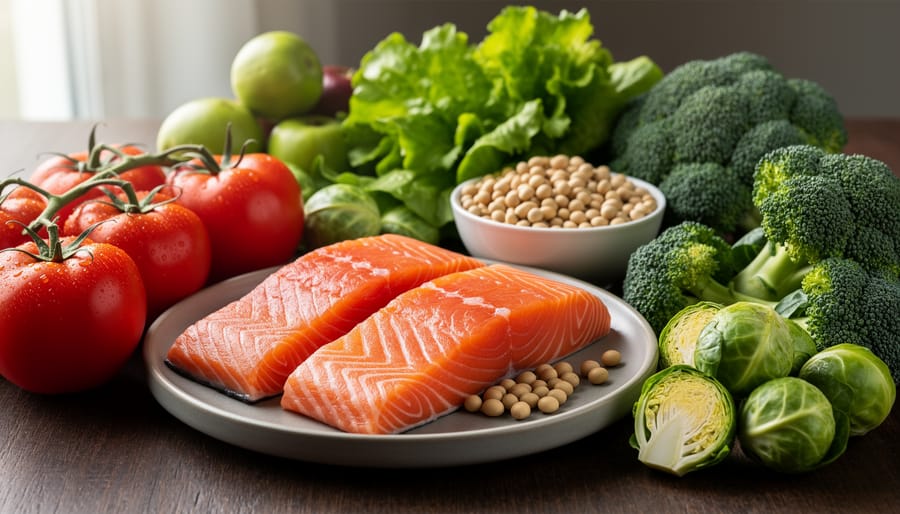
Your prostate health comes down to one powerful truth: what you eat every day matters more than any single superfood or supplement. Research shows that men who consistently follow a plant-based, anti-inflammatory diet rich in specific protective compounds face lower risks of developing prostate problems, including prostate cancer. But here’s what Mayo Clinic wants you to understand: no single food can cure prostate cancer or guarantee it won’t return. Instead, your long-term eating patterns influence how prostate conditions develop and progress over time.
If you’re reading this, you’re likely concerned about prevention or you’ve recently received a diagnosis that’s prompted questions about what changes you can make right now. Maybe your doctor mentioned PSA levels, or perhaps you’re simply being proactive as you age. Either way, you’re asking the right questions.
The good news? You don’t need a complicated meal plan or expensive specialty items. The most effective approach centers on foods you can find at any grocery store: tomatoes packed with lycopene, cruciferous vegetables loaded with cancer-fighting compounds, fatty fish rich in omega-3s, and legumes including soya beans that deliver protective plant compounds. These aren’t miracle cures, but when you make them regular parts of your diet alongside plenty of other vegetables, fruits, and healthier fats, you’re giving your prostate the nutritional support it needs.
This guide walks you through twelve specific foods backed by credible research from institutions like Mayo Clinic and Prostate Cancer UK, explaining exactly what makes each one beneficial and how to incorporate it into meals you’ll actually enjoy eating.
How I Chose These Prostate-Friendly Foods
I didn’t just throw together a list of trendy superfoods and call it a day. Every food on this list earned its spot through a careful evaluation process that prioritized real evidence and practical use over hype.
My selection criteria focused on several key factors:
- Backing from credible health organizations like Mayo Clinic and Prostate Cancer UK
- Rich content of beneficial compounds such as lycopene, antioxidants, omega-3s, and isoflavones
- Anti-inflammatory and heart-healthy properties that support overall wellness
- Practical accessibility and affordability for everyday eating
- Alignment with plant-based, whole-food eating patterns
I leaned heavily on Mayo Clinic’s guidance around heart-healthy, plant-based eating and their emphasis on choosing healthier fats. Prostate Cancer UK’s specific recommendations on tomatoes, cruciferous vegetables, green tea, and soya beans also shaped the list. Foods that aligned with the 5+ vegetables and 2-3 fruits daily target got priority.
The strength of evidence varied. Some foods have robust research behind them, while others show promise in preliminary studies. I’ve been transparent about these differences throughout the rankings, because you deserve to know what’s well-established versus what’s emerging science.
Understanding Prostate Health and Diet Connection
Your prostate health isn’t determined by a single superfood or miracle ingredient. Instead, it’s shaped by the cumulative effect of what you eat day after day, year after year. Think of your diet as a long-term investment in your wellbeing rather than a quick fix.
The connection between diet and prostate health works on multiple levels. What you eat influences inflammation throughout your body, affects hormone levels, and determines whether you’re flooding your cells with protective antioxidants or leaving them vulnerable to oxidative stress. Mayo Clinic emphasizes that long-term eating patterns may influence how prostate conditions progress, which means the daily choices you make now matter far more than any single meal.
Heart-healthy eating benefits your prostate too. That’s because the same dietary approach that protects your cardiovascular system, plant-based foods, healthy fats instead of saturated and processed fats, and anti-inflammatory ingredients, creates an internal environment where your prostate can function optimally. This isn’t about deprivation. It’s about shifting toward foods that actively support your body rather than taxing it.
The difference between prevention and treatment is crucial to understand. While eating well may help reduce your risk of developing prostate problems, food isn’t medicine in the clinical sense. If you already have a prostate condition, dietary changes should complement, not replace, medical care. Your healthcare provider remains your first line of guidance for treatment decisions.
The Top 12 Foods for Prostate Health
1. Tomatoes: The Lycopene Powerhouse
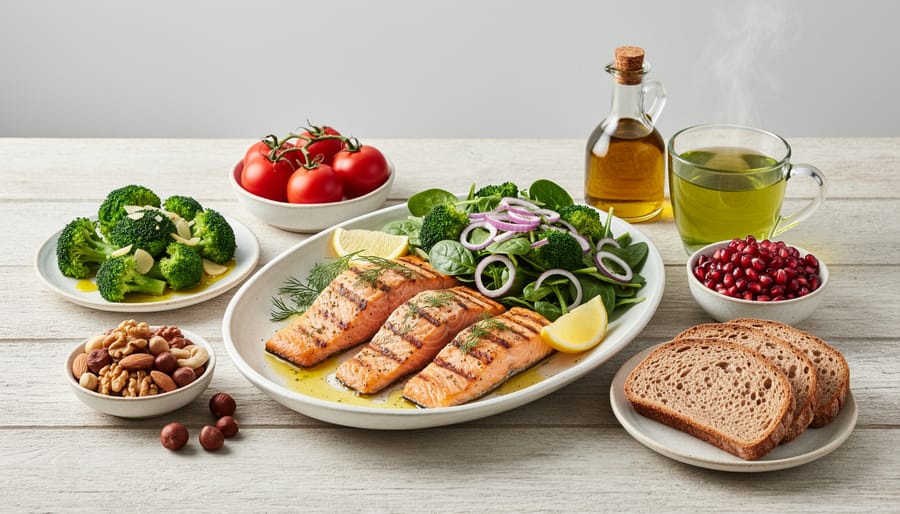
Tomatoes earn the top spot because they’re packed with lycopene, a powerful antioxidant that gives them their red color and may help protect prostate cells from damage. Prostate Cancer UK recommends tomatoes as part of a prostate-friendly diet, specifically highlighting lycopene’s potential benefits. Here’s what makes them special: cooking tomatoes actually increases the bioavailability of lycopene, meaning your body can absorb and use more of it from cooked sources like tomato sauce, paste, or roasted tomatoes than from fresh ones.
The antioxidant properties of lycopene help neutralize free radicals that can cause cellular damage, and research suggests this may play a role in reducing prostate cancer risk. You don’t need fancy preparations. A simple marinara sauce over whole wheat pasta, tomato paste stirred into soups and stews, or roasted cherry tomatoes as a side dish all count. Even ketchup and canned tomatoes contribute lycopene, though watch the sodium in processed versions. Aim to include cooked tomatoes in your meals several times a week for the best results.
2. Broccoli and Cruciferous Vegetables: Natural Detoxifiers
Broccoli takes second place for good reason, cruciferous vegetables pack a powerful nutritional punch. This family includes broccoli, cauliflower, Brussels sprouts, cabbage, and kale, all rich in sulfur-containing compounds called glucosinolates. When you chop or chew these vegetables, these compounds break down into substances that may help reduce inflammation and support your body’s natural detoxification processes.
The evidence is compelling enough that Prostate Cancer UK on cruciferous vegetables specifically lists them as foods that may help with prostate cancer. Beyond prostate health, these vegetables contribute to the recommended target of five or more vegetables daily, which forms the foundation of an anti-inflammatory eating pattern.
Aim for at least three to four servings weekly. Lightly steaming broccoli preserves more of its beneficial compounds than boiling it to mush. Roast Brussels sprouts with a drizzle of olive oil, toss raw shredded cabbage into salads, or blend cauliflower into soups. The key is variety and consistency rather than loading up on one type.
3. Green Tea: Antioxidant-Rich Beverage
Green tea stands out as one of the most researched beverages for prostate health, thanks to its impressive concentration of catechins and polyphenols, plant compounds that act as potent antioxidants. Prostate Cancer UK on green tea specifically lists it among foods that may help with prostate cancer, which adds meaningful weight to its inclusion here.
The magic lies in brewing it correctly. Steep green tea for three to five minutes in water that’s hot but not boiling (around 175°F works well), as this preserves those beneficial compounds without turning the tea bitter. If you’re new to green tea, start with one cup daily, perhaps swapping your mid-morning coffee for a gentler caffeine option.
Making it a habit is simpler than you might think. Keep a box at your desk, prep a batch for iced tea on weekends, or set a daily reminder on your phone. The key is consistency rather than quantity, two to three cups spread throughout the day gives you a steady dose of those protective polyphenols without overdoing the caffeine.
4. Soya Beans and Legumes: Plant Protein Champions
Soya beans lead the pack here, along with lentils, chickpeas, black beans, and other pulses. These plant-based proteins deliver isoflavones, compounds that may influence hormone metabolism in ways that support prostate health. Soya in particular contains genistein and daidzein, two isoflavones that researchers have studied for their potential protective effects. Prostate Cancer UK specifically names soya beans and other pulses as foods worth including.
Beyond isoflavones, legumes pack impressive amounts of fiber, which helps regulate digestion and may play a broader role in reducing inflammation. Swapping some of your meat-based meals for plant proteins aligns perfectly with Mayo Clinic’s recommendation to focus on plant-based, anti-inflammatory eating patterns. You don’t need to go fully vegetarian, but adding a few legume-based meals each week makes a meaningful difference. Try a lentil curry, chickpea salad, or black bean tacos. Edamame (young soya beans) make an easy snack, and firm tofu absorbs whatever flavors you throw at it.
5. Fatty Fish: Omega-3 for Inflammation Control

Salmon, mackerel, and sardines deliver omega-3 fatty acids, which have earned attention for their anti-inflammatory properties. Chronic inflammation is linked to various prostate issues, and these healthy fats may help counter that process. Omega-3s also support heart health, which matters because Mayo Clinic emphasizes that eating patterns benefiting your cardiovascular system often align with prostate wellness.
The connection makes sense: what’s good for your heart tends to be good for your prostate. These fatty fish provide EPA and DHA, the most active forms of omega-3s, which your body can use directly without conversion.
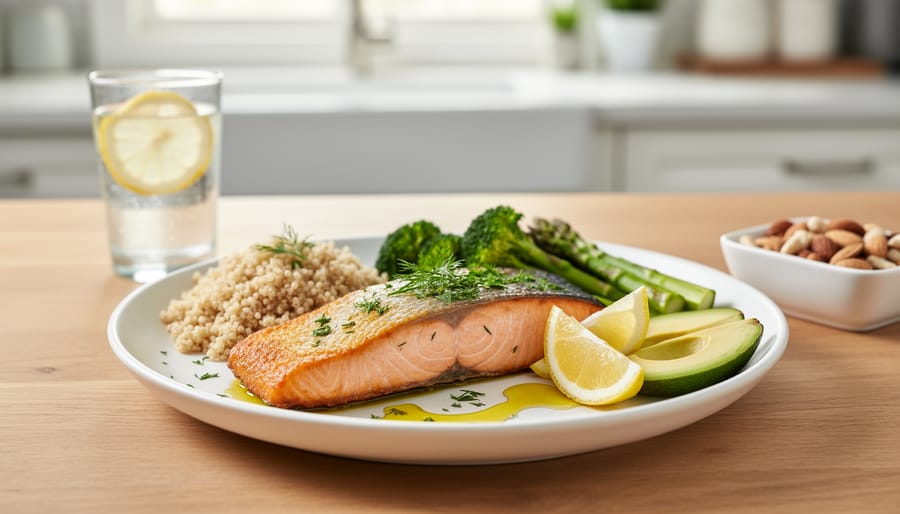
Aim for two servings of fatty fish per week, with a serving being roughly the size of your palm. Grilled salmon with vegetables, mackerel on toast, or sardines tossed into a salad all work. If you’re not a fish person, start small, even one weekly serving offers benefits. Choose wild-caught when possible, and vary your types to keep meals interesting while building this habit into your routine.
6. Nuts: Healthy Fats and Minerals
Nuts deserve a spot on your prostate-friendly shopping list because they deliver exactly what Mayo Clinic recommends: healthier unsaturated fats that replace the saturated fats linked to inflammation. Walnuts stand out for their omega-3 fatty acids, which support the anti-inflammatory eating pattern that benefits prostate health. Almonds bring vitamin E, a powerful antioxidant that protects cells from oxidative stress. Brazil nuts are your selenium champions, and just two or three provide your daily requirement of this mineral that plays a role in prostate function.
The beauty of nuts is their versatility. Toss a handful of mixed nuts into your morning yogurt, blend them into smoothies, or keep a small container in your desk drawer for afternoon snacks. Aim for about an ounce daily, which looks like a small palm-full or roughly 23 almonds, 14 walnut halves, or 6 Brazil nuts. Because nuts are calorie-dense, portion control matters, but that small serving packs substantial nutritional punch without the saturated fat baggage of butter or processed snack foods.
7. Pumpkin Seeds: Zinc-Rich Snack
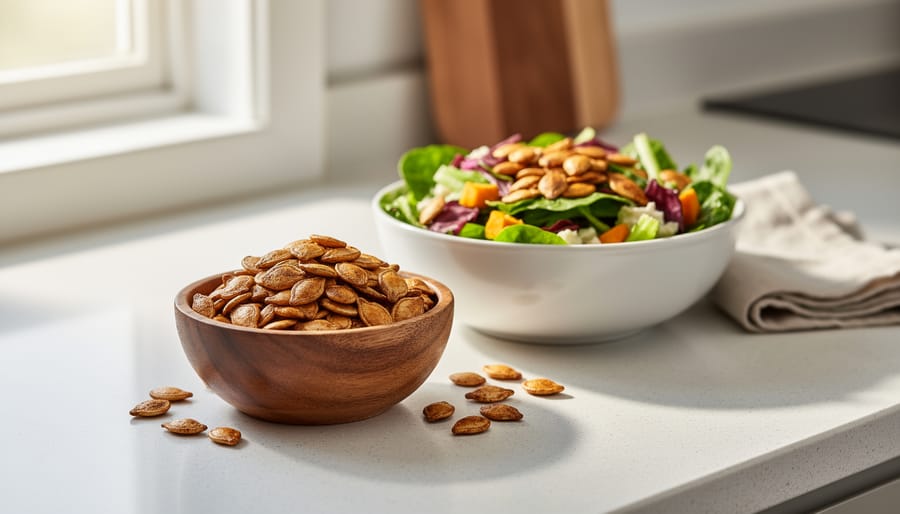
Pumpkin seeds pack an impressive nutritional punch for prostate health, delivering concentrated amounts of zinc and magnesium, two minerals that play important roles in normal prostate function. A quarter cup provides roughly half your daily zinc requirement, and this mineral is particularly concentrated in prostate tissue itself. Traditional European herbal medicine has long used pumpkin seeds to support urinary and prostate wellness, though modern research is still catching up to folk wisdom here. The practical appeal of pumpkin seeds lies in their versatility: toss them into salads for crunch, blend them into smoothies, sprinkle them over oatmeal, or simply keep a small container at your desk for an easy snack. Choose raw or lightly roasted varieties without added salt or oils to maximize their heart-healthy unsaturated fat content while avoiding unnecessary sodium or processed fats.
8. Berries: Antioxidant All-Stars
Blueberries, strawberries, raspberries and other berries pack a powerful antioxidant punch through their polyphenols and vitamin C content. These compounds help combat oxidative stress and inflammation, both linked to prostate health concerns. A handful of mixed berries gives you a concentrated dose of anthocyanins, the pigments responsible for their deep colors and much of their protective benefit.
Berries make it easy to hit the recommended 2-3 fruits daily. Toss them into morning porridge, blend them into smoothies, or simply snack on them fresh. Frozen berries work just as well and often cost less, making year-round consumption practical. Their natural sweetness satisfies cravings without added sugar, and their fiber supports digestive health alongside their anti-inflammatory properties.
9. Pomegranates: Emerging Research Star
Pomegranates pack impressive antioxidant levels, higher than red wine or green tea, thanks to their rich concentration of polyphenols called punicalagins. Early research suggests pomegranate juice may slow PSA doubling time in men who’ve had prostate cancer treatment, though these studies are preliminary and not yet conclusive enough for major health organizations to make formal recommendations. The fruit’s anti-inflammatory compounds show promise, but view pomegranates as part of a broader plant-based pattern rather than a standalone solution.
Fresh pomegranate seeds (arils) work beautifully sprinkled over yogurt, salads, or oatmeal, adding a sweet-tart crunch. Pure pomegranate juice, no added sugars, offers convenience, though watch portions since juice concentrates natural sugars without the fiber. A small glass (4-6 ounces) counts toward your daily fruit target. You can also blend the arils into smoothies or use pomegranate molasses in cooking for a tangy depth.
10. Avocados: Good Fat Source
Avocados deserve recognition as a prostate-friendly food thanks to their rich monounsaturated fat content. These creamy fruits help you follow Mayo Clinic’s guidance to choose healthier fats over saturated and processed options, a dietary shift that supports both heart and prostate health. The monounsaturated fats in avocados may help reduce inflammation, while their fiber and plant compounds align with the anti-inflammatory, plant-based eating pattern recommended for prostate wellness.
Half an avocado provides about 10 grams of healthy fat without spiking saturated fat intake. Use sliced avocado on whole-grain toast, blend it into smoothies, or dice it into salads as a satisfying replacement for cheese or heavy dressings. The versatility makes it easy to incorporate regularly, supporting your transition toward a more plant-forward diet that prioritizes nutrient-dense whole foods over processed alternatives.
11. Bell Peppers: Vitamin C Boost
Red, yellow, and orange bell peppers deserve a spot on your plate for their impressive vitamin C content, a single medium pepper delivers over 150% of your daily requirement. This powerful antioxidant supports immune function and may help protect cells from oxidative stress, which plays a role in prostate health. Beyond vitamin C, these colorful vegetables contain carotenoids like beta-carotene and lutein, adding another layer of antioxidant protection.
Bell peppers count toward your daily 5+ vegetable target and offer remarkable versatility in the kitchen. Slice them raw for snacks with hummus, roast them with olive oil for salads, or sauté them into stir-fries and pasta dishes. Their sweet, mild flavor makes them an easy addition to nearly any meal, and their vibrant colors signal the presence of beneficial plant compounds your prostate will appreciate.
12. Extra Virgin Olive Oil: Mediterranean Diet Staple
Extra virgin olive oil deserves its spot on this list as a cornerstone of the Mediterranean diet, which consistently shows benefits for prostate health. Unlike butter or heavily processed vegetable oils, EVOO provides monounsaturated fats that support the shift toward healthier fat sources recommended by Mayo Clinic. These fats don’t just replace the bad stuff, they actively contribute to reducing inflammation throughout your body, including the prostate.
What sets extra virgin olive oil apart is its rich concentration of polyphenols, natural compounds with powerful anti-inflammatory and antioxidant properties. The less refined the oil, the more of these beneficial compounds it retains, which is why “extra virgin” matters. Think of it as getting the whole package: healthy fats plus protective phytochemicals.
Daily use is straightforward. Drizzle EVOO over salads, use it for sautéing vegetables at moderate heat, or finish cooked dishes with a tablespoon for flavor and nutrition. I keep a bottle by the stove and another on the counter, making it visible makes it easier to reach for instead of butter. Aim for two to three tablespoons daily as part of your overall fat intake, and you’ll be supporting not just prostate health but heart health too.
Key Nutrients and Compounds for Prostate Health
Understanding which nutrients support prostate health helps you make smarter food choices beyond just memorizing a shopping list. These compounds work through different mechanisms, some as antioxidants, others by reducing inflammation or supporting healthy cell function, and they often appear together in whole foods, creating a synergistic effect that isolated supplements can’t replicate.
- Lycopene
- A powerful antioxidant that gives tomatoes and watermelon their red color, thought to protect prostate cells from oxidative damage. Prostate Cancer UK specifically highlights tomatoes and lycopene as beneficial foods for prostate health.
- Omega-3 Fatty Acids
- Anti-inflammatory fats found in fatty fish like salmon and mackerel that support heart health and may help control inflammation throughout the body, including the prostate. Mayo Clinic emphasizes choosing these healthier fats over saturated and processed fats.
- Isoflavones
- Plant compounds in soya beans and other pulses that have weak estrogen-like effects, potentially influencing hormone metabolism related to prostate health.
- Polyphenols
- Antioxidant compounds abundant in green tea, berries, and pomegranates that help neutralize free radicals and reduce cellular stress. Green tea polyphenols are noted by Prostate Cancer UK for potential prostate benefits.
- Cruciferous Compounds
- Sulfur-containing phytochemicals in broccoli, cauliflower, and Brussels sprouts that support the body’s natural detoxification processes and may help regulate healthy cell growth.
The key difference between healthy and unhealthy fats matters too. While monounsaturated fats from avocados and olive oil support the anti-inflammatory, plant-based pattern Mayo Clinic recommends, saturated fats from processed foods can promote inflammation. No single nutrient guarantees protection, but consistently eating foods rich in these compounds creates an environment where your prostate has the best chance to stay healthy.
Building Your Prostate-Friendly Eating Pattern
Making these foods part of your everyday life doesn’t require a complete diet overhaul. Think of it as a gradual shift toward more plants, healthier fats, and less processed stuff. The goal is sustainability, not perfection.
Start by mapping out your week. Look at your current meals and identify easy swaps: tomato sauce instead of cream-based, olive oil instead of butter, a handful of nuts instead of crisps. Small changes add up faster than you’d think.
Here’s a practical approach to building your prostate-friendly eating pattern:
- Fill half your plate with vegetables at lunch and dinner, aiming for at least five servings daily across all your meals and snacks.
- Replace butter, lard, and processed oils with extra virgin olive oil for cooking and dressings.
- Swap your morning coffee or afternoon tea for green tea at least once daily.
- Add a serving of fatty fish like salmon or mackerel twice a week, and fill other protein slots with legumes, soya beans, or lentils.
- Keep berries, pomegranate, and other fruit visible and ready to eat, targeting two to three servings daily.
- Plan your weekly meals on Sunday, making a shopping list that prioritizes these twelve foods before anything else.
Portion sizes matter less than consistency. A small handful of nuts, a cup of cooked broccoli, or a few tablespoons of tomato paste all count. Focus on variety throughout the week rather than loading up on one food. If you’re currently eating a lot of red meat and processed foods, transition gradually by introducing one or two new plant-based meals each week. Your taste preferences will adapt, and these patterns will become second nature.
What to Watch For
While building your prostate-friendly diet, remember that timing and preparation matter as much as food choice. Raw tomatoes contain lycopene, but cooking them in a bit of healthy fat (like olive oil) can increase lycopene absorption by up to 300%. Similarly, lightly steaming broccoli preserves more beneficial compounds than boiling it to mush. Think of these foods as ingredients that work best when prepared thoughtfully, not just checked off a grocery list.
Another practical tip: when adding new foods, pair them with what you already enjoy. Don’t force yourself to drink green tea if you hate the taste, try pomegranate juice instead. The pattern matters more than perfection. One salmon meal weekly beats no omega-3s at all, and a handful of nuts daily provides steady benefits without requiring a complete diet overhaul.
Common Questions About Prostate Health and Diet
Can diet alone prevent prostate cancer?
No single food can cure prostate cancer or guarantee prevention. However, long-term eating patterns may influence how prostate problems develop and progress, making diet one important factor among many in your overall approach to protect your health.
How quickly will I see benefits from eating prostate-friendly foods?
Prostate health benefits from dietary changes accumulate over months and years, not days or weeks. Think of these foods as part of a consistent eating pattern rather than a quick fix, the goal is sustainable habits that support long-term wellness.
Are supplements better than getting nutrients from food?
Whole foods provide a complex mix of nutrients, fiber, and beneficial compounds that work together in ways isolated supplements can’t replicate. Focus on eating the actual foods, tomatoes, cruciferous vegetables, fatty fish, rather than relying on pills to deliver the same benefits.
Do these foods help with enlarged prostate (BPH) as well as cancer prevention?
Many of the same anti-inflammatory, plant-based foods that support overall prostate health may help with benign prostate conditions like BPH. Heart-healthy eating patterns benefit the entire body, though you should consult your healthcare provider for guidance specific to your situation.
These questions come up constantly, and the answers point to the same core principle: consistency matters more than perfection. You don’t need to overhaul your entire diet overnight or stress about hitting exact targets every single day. Start with a few swaps, cook with olive oil instead of butter, snack on nuts instead of chips, add an extra serving of vegetables at dinner. Small shifts add up when you stick with them.
There’s no single superfood that’ll bulletproof your prostate. What matters is the bigger picture, a consistent eating pattern built around plants, healthy fats, and anti-inflammatory choices. The twelve foods we’ve covered aren’t magic bullets, but they’re proven allies when you weave them into your daily routine. Start small if this feels overwhelming. Swap your usual snack for a handful of nuts, toss some berries into breakfast, or drizzle olive oil instead of butter. These shifts add up over time, supporting not just your prostate but your heart, your healthy weight and your overall energy.
Remember, food is just one piece of your wellness puzzle. Regular check-ups, staying active, managing stress, they all work together. Always loop in your healthcare provider before making major diet changes, especially if you’re managing specific prostate concerns. They’ll help tailor advice to your unique situation.
At the end of the day, taking care of your prostate is taking care of yourself. Every meal is a chance to nourish your body with intention, and that’s something worth celebrating.