I’ll be honest: when I first heard about Isomers Skincare, I assumed it was just another brand throwing around scientific-sounding terms to justify premium prices. But after three months of testing their formulations, I’ve discovered a brand that actually delivers on its chemistry-forward promises without the typical luxury markup.
Isomers has been quietly building a reputation since the early 2000s as a science-based skincare line that focuses on active ingredients rather than fancy packaging. The brand’s philosophy centers on delivering clinical-strength formulations at accessible price points, which explains why you won’t find them in department stores or splashed across Instagram ads. Instead, they’ve cultivated a devoted following through word-of-mouth and genuine results.
What sets Isomers apart is their commitment to high concentrations of proven actives like vitamin C, hyaluronic acid, and peptides. Their formulations don’t hide behind proprietary blends or vague ingredient lists. You know exactly what you’re getting and at what percentage, something I genuinely appreciate as someone who’s spent years decoding skincare labels.
The brand particularly excels in addressing signs of aging, hyperpigmentation, and dehydration. Their products work well for anyone looking to step up from basic drugstore options without committing to luxury-tier pricing. If you’ve been disappointed by overhyped brands that prioritize aesthetics over efficacy, Isomers might be exactly what your routine needs.
In this guide, I’ll walk you through everything you need to know about Isomers, from their standout products to how they compare with other science-focused brands in 2026.
What Makes Isomers Skincare Different?
Isomers Skincare isn’t trying to reinvent the wheel, and honestly, that’s what caught my attention. This Canadian brand has been formulating in Toronto for over 30 years, which means they were doing science-based skincare before it became a social media trend. Founded by chemists rather than marketing teams, Isomers focuses on what actually works rather than what photographs well.
The brand organizes everything around a four-step philosophy: Clean, Feed, Correct, and Protect. It’s straightforward without being simplistic. You cleanse to prep your skin, feed it with nourishing ingredients, correct specific concerns with targeted actives, and protect against environmental damage. This structured approach helps you build a routine that makes sense instead of randomly layering products and hoping for the best.
Here’s where I get a bit skeptical about the term “science-based” in skincare. Every brand claims it these days, but what separates genuine science-based formulas from marketing spin is the concentration and quality of actives. Isomers uses ingredients like retinol, peptides, niacinamide, and hyaluronic acid that have actual evidence for active ingredients behind them. They’re not chasing every trendy extract or creating Instagram-friendly gimmicks.
That said, this isn’t minimalist skincare with three products and neutral packaging. Isomers offers multiple collections targeting different concerns, from their Matrixyl line for anti-aging to specialized formulas for menopausal skin. The range can feel overwhelming at first, but it reflects their approach of matching specific actives to specific problems rather than creating one-size-fits-all solutions.
What strikes me most is the absence of hype. There’s no celebrity founder, no viral TikTok moment that launched them into the spotlight. They’ve just been quietly formulating effective products in Toronto while the beauty world cycled through countless trends. In 2026, that steady, chemistry-first approach feels almost radical.

The Star Ingredients Behind Isomers Formulas
What grabs my attention about Isomers is how they’ve assembled a lineup of ingredients that reads like a dermatologist’s wish list. These aren’t trendy newcomers chasing social media hype, they’re clinically-studied actives with real research backing them. The brand features everything from tried-and-true workhorses to cutting-edge innovations, and understanding what each brings to the table helps you make sense of their various collections.
Let’s start with the proven performers. Niacinamide, a form of vitamin B3, is one of those rare ingredients that seems to help almost everyone. It strengthens your skin barrier, regulates oil production, fades dark spots, and calms redness. I’ve seen it work wonders for people struggling with both acne and sensitivity, which is unusual, most actives pick a lane. Retinol needs no introduction if you’re serious about anti-aging. It accelerates cell turnover, smooths fine lines, and boosts collagen production, though you’ll want to start slowly if you’re new to it. I learned that lesson the hard way years ago with flaky, irritated skin.
Peptides are the communication molecules your skin uses to trigger repair processes. When you apply them topically, they signal your skin to produce more collagen and elastin, which translates to firmer, plumper skin over time. Hyaluronic acid acts like a moisture magnet, holding up to 1,000 times its weight in water. Your skin naturally contains it, but levels decline with age, which is why adding it back through serums and creams makes such a noticeable difference in plumpness and hydration.
| Ingredient | Primary Benefits | Best For |
|---|---|---|
| Niacinamide | Barrier repair, oil control, brightening | Uneven tone, enlarged pores, redness |
| Retinol | Cell turnover, collagen production | Fine lines, wrinkles, texture |
| Peptides | Collagen synthesis, firmness | Loss of volume, sagging |
| Ceramides | Barrier protection, moisture retention | Dryness, sensitive skin |
| Plant Stem Cells | Antioxidant protection, skin renewal | Environmental damage, aging |
Ceramides are the mortar between your skin cells, forming a protective barrier that keeps moisture in and irritants out. If your skin feels perpetually dry or reactive, you’re likely low on ceramides. Replenishing them through skincare helps restore that protective barrier, which is why I always recommend ceramide-rich products for anyone dealing with sensitivity or moisture loss.
Then there are the newer innovations. Plant stem cells contain growth factors and antioxidants that protect your skin from environmental stressors and support its natural renewal processes. The science is still evolving, but early research looks promising. Exosomes are even more cutting-edge, tiny vesicles that deliver messages between cells, potentially boosting skin repair and regeneration. Isomers includes these in some of their advanced formulations, positioning themselves at the forefront of skincare technology.
The brand also features azelaic acid for brightening and clearing acne, salicylic acid for exfoliating inside pores, and various antioxidants to fight free radical damage. What impresses me is that they’re layering these ingredients thoughtfully across their collections rather than throwing everything into one product and hoping for the best. That strategic approach suggests they understand how these actives work together and when they should be kept separate.
Isomers Collections: Which Line Is Right for You?
For Anti-Aging Concerns
If fine lines and loss of firmness are your main battles, Isomers’ Matrixyl and StemGenesis collections deserve a close look. The Matrixyl line leans heavily on peptides, which signal your skin to ramp up collagen production. It’s not going to erase deep wrinkles overnight, but consistent use can genuinely improve skin texture and plumpness over weeks. StemGenesis takes things further with plant stem cells alongside peptides, targeting both surface signs of aging and cellular renewal.
I’ll be honest: no serum or cream will turn back the clock like a procedure can. What these collections do well is support your skin’s natural repair processes and slow visible aging when used consistently. If you’re dealing with early lines or want to maintain what you have, the Matrixyl range is a solid starting point. For more advanced concerns or faster visible improvement, StemGenesis offers more concentrated actives, though you’ll need patience. The key with any anti-aging routine is realistic expectations and the discipline to stick with it for at least eight to twelve weeks before judging results.
For Brightening and Tone
If you’re dealing with uneven skin tone, dark spots, or that dull, lackluster complexion that no amount of sleep seems to fix, Isomers’ Glutathione and Vitamin C collections are worth a closer look. Glutathione is a powerful antioxidant that tackles hyperpigmentation from multiple angles, while Vitamin C brightens and evens tone by inhibiting melanin production. The Vitamin C line typically features stable forms of the ingredient, which matters because traditional L-ascorbic acid can be notoriously finicky and oxidize before you’ve used half the bottle.
Here’s what I’ve learned about brightening actives: start low and slow. If you’re new to Vitamin C, use it every other morning at first, always followed by sunscreen. Glutathione tends to be gentler, making it a good option if your skin is sensitive but still needs brightening help. Don’t expect overnight miracles with either collection. Real tone correction takes 8-12 weeks of consistent use. And never, ever skip sun protection when using brightening products, or you’ll essentially be undoing your progress daily.
For Specialized Concerns
Beyond anti-aging and brightening, Isomers addresses niche concerns many other brands skip over. The Phytoestrogen collection stands out for menopausal skin, using plant-based compounds that mimic estrogen’s effects to combat the thinning, dryness, and sensitivity that often show up during hormonal shifts. If you’re dealing with menopausal skin changes, this targeted approach feels refreshingly specific rather than one-size-fits-all.
For breakouts, Isomers offers acne-prone options featuring salicylic acid and niacinamide to manage oil and clear pores without stripping your skin. The brand also tackles enlarged pores, redness, and uneven texture with dedicated formulas, which is helpful when you’re juggling multiple concerns at once.
What I appreciate is that Isomers doesn’t force you to pick one battle. You can layer a redness-calming product with a pore-refining treatment if that’s what your skin needs, without completely overhauling your routine. That flexibility matters when your concerns don’t fit neatly into one category.
Product Categories Worth Exploring
Isomers organizes its science-forward skincare into eleven distinct categories, which sounds overwhelming until you realize that serums, creams, and treatments are where this brand truly shines. The other categories exist to complete a routine, but if you’re working with a budget or just testing the waters, those three are where I’d start.
The serum lineup is impressive. This is where you’ll find the highest concentrations of the peptides, vitamin C, and glutathione that make Isomers noteworthy. I’ve noticed that brands built by chemists tend to put their best formulation work into serums, and Isomers follows that pattern. These aren’t filler products with pretty bottles and minimal actives. They’re concentrated treatments that layer well under other products.
Creams fall into two camps: daily moisturizers and richer treatments. The collection-specific creams (like those in the Matrixyl or StemGenesis lines) are standouts because they deliver complementary actives to their matching serums. If you’re building a full routine from one collection, the cream is worth it. The standalone moisturizers are solid but not groundbreaking, perfectly fine if you need something simple that works with your existing products.
Eye care and neck care products are where Isomers gets specialized. The eye formulas address bags, dark circles, and fine lines with targeted peptides and caffeine. Neck products focus on firmness and crepey texture. Are these essential? Not if you’re just starting with the brand, but if you’ve got specific concerns in those areas and the budget allows, they’re thoughtfully formulated rather than repackaged face creams.
Cleansers and masks round out the range. The cleansers are gentle and effective, following the “Clean” step of the brand’s philosophy without stripping your skin. They’re good products but not category-defining. Masks and treatments, particularly those with exosomes or plant stem cells, are occasional-use boosters. Think of them as the nice-to-haves once you’ve nailed your core routine.
The accessories category includes tools and applicators, which feel a bit tacked on. Skip those and put your money toward the formulas instead.
Who Should Try Isomers Skincare?
Isomers hits a sweet spot for people who value science-backed formulations without the luxury price tag that typically comes with clinical skincare. If you’re dealing with visible signs of aging, particularly fine lines and loss of firmness, the peptide-focused collections deliver active ingredients at concentrations that actually make a difference. I’ve seen impressive results with Matrixyl-based products in this category, especially for softening the look of expression lines around the eyes and forehead.
The brand excels for anyone targeting multiple concerns at once. Menopausal skin, for instance, often means dealing with dryness, loss of elasticity, and uneven tone simultaneously. Isomers addresses this head-on with their Phytoestrogen collection and the flexibility to layer products from different lines without overspending. Their organized approach by skin concern makes it refreshingly easy to identify what you need, whether that’s tackling redness, enlarged pores, or persistent dullness.
- Science-based formulations with effective active concentrations at accessible price points.
- Comprehensive range addressing specific concerns from menopausal skin to acne-prone skin.
- Clear four-step philosophy makes routine building straightforward for beginners.
- Collections can be mixed and matched for multiple skin concerns without conflict.
- Limited availability in selected countries with unclear shipping locations upfront.
- Strong focus on anti-aging may not appeal to younger skincare enthusiasts.
- Less brand recognition compared to major science-based competitors in the space.
- Product range can feel overwhelming for those wanting simple, minimal routines.
Budget matters here. Isomers sits comfortably in the mid-range category, making it ideal if you want serious actives without the Skinceuticals or SkinMedica price shock. The skincare set gifts and bundled collections offer decent value when you’re ready to commit to a full routine.
This brand is less suited for minimalists who prefer three-step routines or anyone skeptical of multi-product systems. If you’re drawn to indie brands with Instagram-worthy packaging and buzzy marketing, Isomers won’t scratch that itch. The science-first approach means straightforward bottles and no-nonsense messaging. You’re also out of luck if you need immediate gratification, given the availability constraints and potential need to contact the company before ordering.
Where to Buy and Availability Considerations
Here’s the thing that surprised me about Isomers: tracking down where you can actually buy their products takes a bit more detective work than your typical skincare brand. Unlike brands with products lining shelves at Sephora or Ulta, Isomers operates differently.
Your primary option is the brand’s official website, which ships to selected countries. The catch? You’ll need to contact the company directly to confirm whether they ship to your location. I know, it’s an extra step that feels a bit old-school in 2026, but it’s how they manage their distribution. The website itself is straightforward to navigate once you’ve confirmed they serve your area.
You’ll also find Isomers products at ShopHQ, which expands access for U.S. customers and sometimes offers product bundles or special pricing. Beyond that, the brand works with select retailers, though the list isn’t extensive. Again, checking with Isomers directly about retail locations near you is your best bet.
One perk worth mentioning: the brand offers subscription options through their website, which can help if you find products you love and want regular deliveries. It takes the guesswork out of reordering.
My honest take? The limited availability can be frustrating if you’re used to instant gratification shopping. But if the formulations align with your skin concerns and you’re willing to plan ahead, the buying experience is manageable. Just don’t expect same-day pickup or to stumble upon Isomers while browsing your local beauty store. This is a brand you commit to seeking out, not one you discover by accident.

How to Build a Routine with Isomers Products
Building a routine with Isomers products doesn’t mean tossing everything you’re currently using. The brand’s Clean-Feed-Correct-Protect philosophy actually makes it easier to slot their products into what you’re already doing. Here’s how to integrate these science-based formulas without overwhelming your skin.
Start by identifying which step in your routine needs the most support. If you’re dealing with fine lines, you might bring in a Matrixyl serum as your “Correct” step. For uneven tone, a Glutathione product could fill that same slot. I’ve learned the hard way that launching multiple actives simultaneously is a recipe for irritation, especially with potent formulations like these.
- Clean: Use an Isomers cleanser suited to your skin type, or keep your current gentle cleanser if it’s working well.
- Feed: Apply hydrating serums or essences with ingredients like Hyaluronic Acid or Ceramides to prep and nourish the skin.
- Correct: Layer your targeted treatments here (Retinol, Peptides, Niacinamide, Vitamin C) based on your primary concern, starting with the thinnest consistency first.
- Protect: Seal everything with a moisturizer that supports your skin barrier, and always use SPF during the day.
If you’re incorporating retinol or exfoliating acids, introduce them two to three times weekly before ramping up to daily use. Your skin needs time to acclimate, particularly during seasonal transitions when your winter skincare routine might already include heavier creams and environmental stressors.
Avoid pairing vitamin C with retinol in the same application (use C in the morning, retinol at night), and skip combining multiple exfoliating acids unless you’re experienced with actives. When layering serums, go from thinnest to thickest, waiting about 30 seconds between products so each can absorb properly.
The real key is listening to your skin. If you notice redness, tightness, or peeling, pull back and simplify. Effective routines aren’t about using everything at once; they’re about strategic choices that address your concerns without causing new problems.
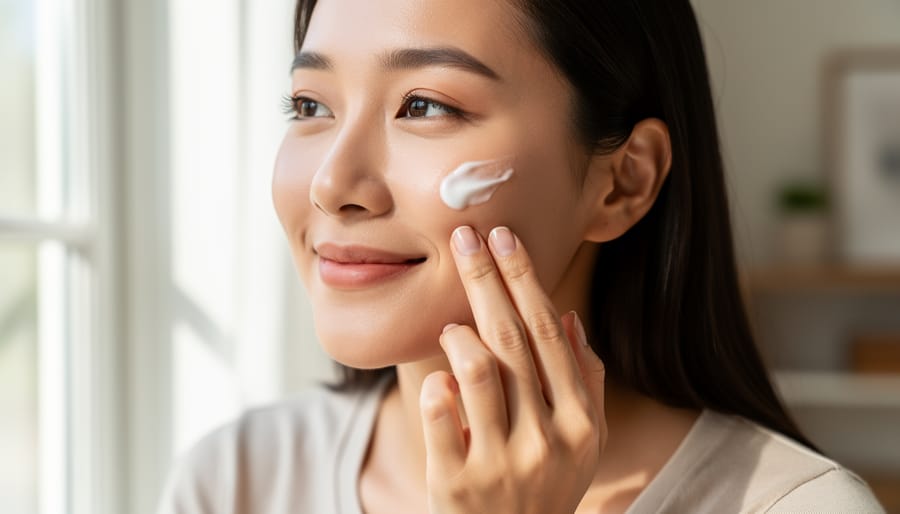
So, does Isomers Skincare live up to its science-based promises? From my assessment, yes, if you value ingredient transparency and targeted formulations. The brand’s 30-year heritage and chemist-created approach shine through in their thoughtful collections and well-formulated actives. They’re not reinventing skincare, but they’re offering solid, research-backed options that address real concerns without the gimmicks.
This brand makes the most sense for people dealing with fine lines, uneven tone, dryness, or menopausal skin changes who want proven ingredients without decoding a chemistry textbook. If you’re comfortable investing in multi-step routines and appreciate a methodical Clean-Feed-Correct-Protect approach, Isomers fits that philosophy well. However, if you need instant gratification, prefer minimal routines, or can’t easily verify shipping to your location, you might find better matches elsewhere.
In 2026’s crowded science-based skincare landscape, Isomers occupies a sweet spot between clinical effectiveness and approachability. They’re not flashy or trendy, which honestly feels refreshing when every other brand is chasing viral moments.
Here’s what I’ve learned after years of testing different brands: the “right” skincare isn’t always the most talked-about or expensive. It’s whatever addresses your specific concerns, fits your routine realistically, and makes your skin feel healthier over time. Take an honest inventory of what your skin actually needs, compare it against what Isomers offers, and trust your judgment. Your skin will tell you if you’ve found the right fit.