
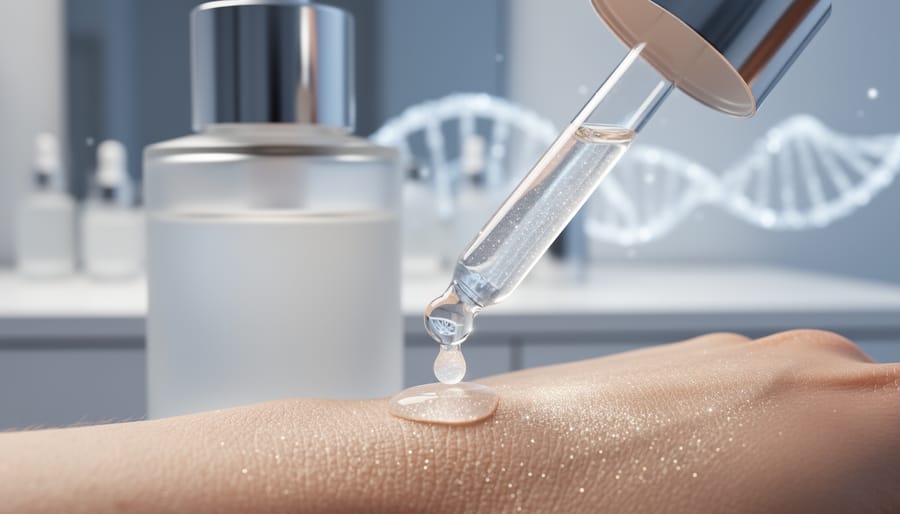
PDRN (polydeoxyribonucleotide) is a DNA-derived ingredient that helps repair skin damage, reduce inflammation, and stimulate collagen production by delivering salmon or trout DNA fragments directly into your skin cells. Originally used in medical wound healing, PDRN has become one of the most talked-about ingredients in K-beauty serums and creams throughout 2026, promising faster skin regeneration than traditional peptides or growth factors.
If you’ve been scrolling through skincare forums or TikTok lately, you’ve probably seen the buzz around this ingredient. I first encountered PDRN when a friend raved about how it helped fade her acne scars faster than anything she’d tried before. Naturally skeptical about overhyped ingredients, I dug into the science and was surprised to find actual clinical research backing up the claims about tissue repair and anti-inflammatory effects.
The beauty of PDRN lies in its biological compatibility. Because it’s derived from DNA (don’t worry, applying salmon DNA won’t turn you into a fish), your skin recognizes and uses these nucleotides as building blocks for cellular repair. Think of it as giving your skin the raw materials it needs to fix itself, rather than just coating the surface with moisturizers or relying solely on antioxidants to prevent damage.
What makes PDRN particularly interesting for 2026 skincare routines is its versatility. Whether you’re dealing with post-acne marks, early signs of aging, or general dullness from environmental stress, this ingredient works at the cellular level to address multiple concerns simultaneously. The catch? Not all PDRN products are created equal, and understanding concentration levels, formulation quality, and how to layer it with your existing routine makes the difference between results and disappointment.
What Exactly Is PDRN?
PDRN stands for polydeoxyribonucleotide, and if that sounds like a mouthful, you’re not alone in thinking so. When I first encountered this ingredient, I had to read the name three times just to pronounce it correctly. The good news? You don’t need to master the scientific terminology to understand what makes PDRN special.
At its core, PDRN is a biological compound extracted from salmon DNA. Before you get squeamish about fish-derived skincare, here’s what actually matters: PDRN contains fragments of DNA that are remarkably similar to human DNA structure. This compatibility is why your skin recognizes and responds to it so effectively.
Think of PDRN as a repair messenger for your skin cells. When you apply it topically, these DNA fragments signal your cells to kick into regeneration mode. They encourage fibroblasts, the cells responsible for producing collagen and elastin, to work more efficiently. Instead of just sitting on the surface like some ingredients, PDRN actually communicates with your skin at a cellular level.
The medical field has used PDRN in wound healing and tissue regeneration for years, particularly in injectable form. Skincare formulations harness this same regenerative principle but in topical products that you can apply at home. The ingredient promotes cell turnover, enhances tissue repair, and supports your skin’s natural healing processes.
What sets PDRN apart from other anti-aging ingredients is its dual action. It doesn’t just address surface-level concerns. The ingredient works to improve your skin’s underlying structure while simultaneously reducing inflammation and protecting against oxidative stress. This makes it particularly effective for skin that’s dealing with both aging and sensitivity, a combination that’s notoriously difficult to treat.
The Skin Benefits That Made Me a Believer
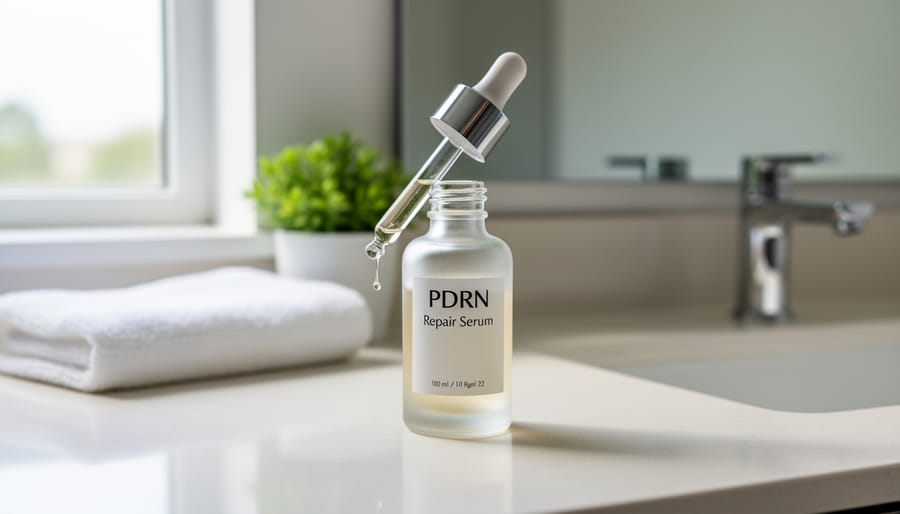
I’ll be honest: when I first heard about PDRN, I was skeptical. Another trending ingredient promising miraculous results? I’d seen that story before. But after incorporating it into my skincare routine, I noticed changes that went beyond typical marketing hype. My skin looked noticeably more radiant, and that persistent dullness I’d been battling started to fade.
The benefits I experienced align with how PDRN actually functions at a cellular level. Because it works by supporting your skin’s natural repair processes and promoting healthier cell turnover, the improvements build gradually rather than appearing overnight. Here’s what PDRN can genuinely deliver:
- Enhanced wound healing and skin repair by providing building blocks for cellular regeneration
- Reduction in fine lines and improved skin texture through increased collagen and elastin production
- Deep hydration that goes beyond surface moisture by supporting the skin barrier’s water-retention capacity
- Calmed inflammation and redness, particularly helpful for irritated or reactive skin
- More even skin tone and reduced appearance of hyperpigmentation over time
What struck me most was the way my skin responded to other products differently once I added PDRN. My serums seemed to absorb better, my moisturizer felt more effective, and that general “tired skin” look I’d accepted as normal started improving. The change wasn’t dramatic in week one, but by week six, I could see the difference in photos.
The anti-aging benefits became particularly apparent around my eyes and forehead. Those fine lines that caught the light in certain angles looked softer, not because PDRN fills them like some ingredients claim to do, but because my skin itself appeared healthier and more resilient. Friends started asking what I’d changed in my routine, which is always the best validation.
PDRN’s inflammation-reduction properties also helped during a period when my skin was reacting to environmental stress. Instead of the prolonged redness I typically experienced, my skin bounced back faster and maintained a calmer baseline. That recovery aspect is what ultimately convinced me this ingredient deserved its growing reputation in the skincare community.
Who Should (and Shouldn’t) Try PDRN Products
PDRN works beautifully for most skin types, but it truly shines for specific concerns. If you’re dealing with dull, tired-looking skin that needs a boost, PDRN could be your answer. It’s particularly effective for mature skin showing signs of aging, skin recovering from procedures or treatments, and anyone struggling with compromised barrier function or inflammation.
I’ve seen the best results in people with concerns like fine lines, uneven texture, post-breakout marks, and general loss of radiance. The ingredient’s regenerative properties make it valuable for healing-focused routines, which is why it pairs well with fragrance-free skincare approaches that prioritize skin recovery.
Sensitive skin types typically tolerate PDRN well since it’s focused on repair rather than exfoliation or transformation. However, start slowly if you’re prone to reactions. Those following acne-prone skin tips can incorporate PDRN too, especially for addressing post-inflammatory marks and supporting barrier health during active breakouts.
Who might want to wait? If you’re pregnant or nursing, check with your healthcare provider first. While PDRN is generally considered safe, it’s always wise to get professional guidance during these times. Those with extremely reactive skin should patch test carefully, and if you’re already using a complex routine with multiple actives, introduce PDRN gradually rather than all at once.
The ingredient plays well with most others. You can layer it with hyaluronic acid, niacinamide, and peptides without issue. Just space it out from strong exfoliants like retinol or acids by using them at different times of day or on alternating nights.
How to Incorporate PDRN Into Your Routine
Adding PDRN to your routine is surprisingly straightforward once you understand the basic sequence. The ingredient works best when applied to clean skin and given time to absorb before layering other products.
PDRN comes in several formats, each with different strengths. Serums and ampoules offer the highest concentrations and absorb quickly, making them ideal for targeted treatment. Creams and moisturizers contain lower concentrations but provide additional hydration and work well for maintenance. If you’re new to PDRN or want to start a skincare routine featuring this ingredient, an ampoule or serum gives you the most noticeable benefits.
Here’s how I layer PDRN into my routine:
- Cleanse your face thoroughly and pat dry
- Apply any pH-balancing toner if you use one
- Dispense 2-3 drops of PDRN serum or ampoule onto fingertips
- Gently press into skin, focusing on areas needing repair or regeneration
- Wait 30-60 seconds for full absorption
- Continue with your regular serums, moisturizer, and SPF
Start with application every other night to let your skin adjust. Most people can increase to nightly use after two weeks without issues. I found PDRN particularly effective during my winter skincare routine when my skin needed extra healing support from harsh weather.
PDRN pairs beautifully with hyaluronic acid, niacinamide, and peptides. These ingredients complement rather than compete with PDRN’s regenerative properties. Avoid using it in the same routine as strong acids or retinol initially, give your skin a few weeks to adapt, then you can gradually introduce these combinations on alternating nights.
The key is consistency without impatience. Apply your PDRN product regularly and give it at least four weeks before evaluating results.
What to Look for When Shopping PDRN Products

Shopping for PDRN products requires a bit more scrutiny than your typical skincare purchase. The ingredient list matters here, look for “polydeoxyribonucleotide” or “sodium DNA” listed within the first five ingredients. Some brands use proprietary names or complexes, so check the product description to confirm actual PDRN content rather than just marketing language that suggests regenerative benefits.
Concentration is trickier because brands rarely disclose exact percentages. Clinical studies typically use 1-3% PDRN, but consumer products don’t always specify. What you can look for: products that position PDRN as the hero ingredient rather than one of many actives crammed into a formula. A focused PDRN serum will likely be more effective than a moisturizer listing PDRN seventh on the ingredient list.
Product format influences both experience and price. Serums and ampoules deliver higher concentrations in lightweight textures that layer well under other products. I’ve found serums more practical for daily use, while ampoules work beautifully for periodic intensive treatment. Creams containing PDRN exist but often dilute the concentration with emollients, fine if you want an all-in-one product, less ideal if you’re targeting specific concerns.
Pricing varies significantly by format and brand positioning. You’ll find quality PDRN serums around $35 and ampoules near $45, though some prestige brands charge considerably more. The price difference often reflects packaging (single-dose ampoules cost more to produce), brand reputation, and whether the product includes complementary ingredients like peptides or growth factors. Higher price doesn’t always mean better PDRN quality, sometimes you’re paying for luxury packaging or marketing rather than superior formulation.
Check for stabilization mentions. PDRN degrades with light and heat exposure, so opaque or dark glass bottles with airless pumps indicate better formulation care than clear plastic packaging.
Common Questions About PDRN
How long does it take to see results from PDRN?
Most people notice improved hydration and skin texture within two to four weeks of consistent use. More significant changes like reduced fine lines and enhanced skin firmness typically become visible after six to eight weeks, though individual results vary based on skin condition and product concentration.
Is PDRN safe for sensitive skin?
PDRN is generally well-tolerated by sensitive skin types due to its biocompatible nature and anti-inflammatory properties. That said, always patch test new products and introduce PDRN gradually, especially if you have reactive skin or conditions like rosacea.
Can I use PDRN during pregnancy?
While PDRN is derived from salmon DNA and considered relatively safe, there’s limited research on topical use during pregnancy. Consult your healthcare provider before introducing any new skincare ingredient when pregnant or nursing.
How does PDRN differ from retinol or peptides?
PDRN works by supporting cellular repair and regeneration at the DNA level, while retinol accelerates cell turnover and peptides signal collagen production. PDRN tends to be gentler than retinol and can actually complement both ingredients in a well-rounded anti-aging routine.
Beyond these common questions, storage is simpler than you might expect. PDRN products don’t require refrigeration, though storing them in a cool, dark place helps maintain potency. Check the packaging for specific guidance, as some concentrated ampoules benefit from being kept away from direct sunlight and heat sources.
If you’re combining PDRN with active ingredients like vitamin C or AHAs, layer it after those actives have absorbed. The ingredient plays well with most skincare components, but spacing application by a few minutes ensures each product can penetrate effectively without interference.