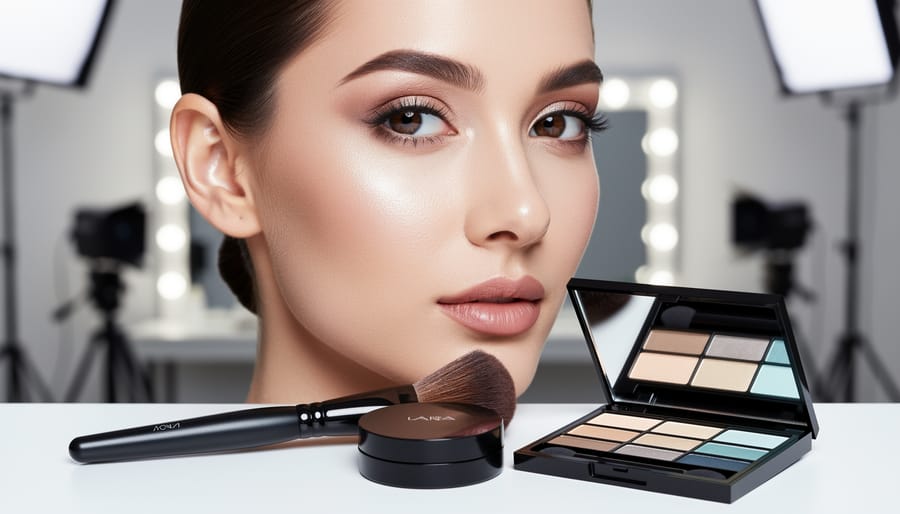
You’ve probably seen the term “camera ready” thrown around in beauty circles and wondered what separates regular makeup from the kind that performs flawlessly under harsh studio lighting. The difference isn’t just marketing speak. Professional makeup artists and photographers discovered decades ago that standard cosmetics often photograph poorly, creating flashback, looking cakey, or appearing chalky on screen. That’s where specialized formulations come in.
Camera Ready Cosmetics emerged from this exact challenge. Founded by professional makeup artists working in film and television, the brand creates products specifically engineered to withstand the scrutiny of high-definition cameras and bright sets. Their formulations avoid ingredients that reflect light unnaturally, like certain minerals and silicas that cause that dreaded white cast in flash photography.
What makes makeup truly camera ready? Three key factors: light diffusion properties that create an even skin tone on camera, buildable pigmentation that layers without looking heavy, and staying power that lasts through long shoots. I learned this the hard way during a friend’s wedding when my carefully applied foundation looked completely washed out in every photo. The photographer later explained that my powder contained light-reflecting particles designed for everyday wear, not photography.
The technology behind these cosmetics has evolved significantly by 2026. Modern camera ready formulations now account for everything from smartphone cameras to professional cinema equipment. Whether you’re creating content for social media or simply want makeup that photographs beautifully at events, understanding these specialized products helps you make smarter choices. The brand offers professional-grade options that work just as well for everyday enthusiasts as they do for industry professionals.
What Makes Makeup ‘Camera Ready’?
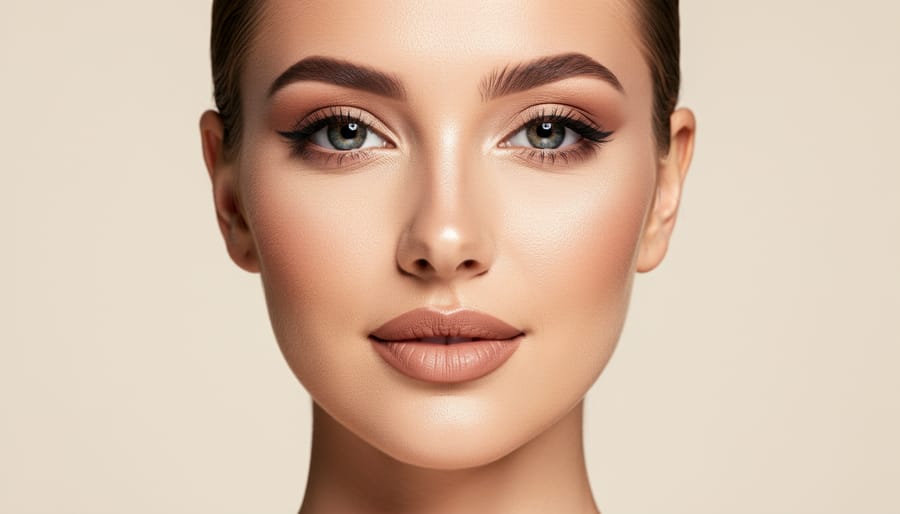
You know that moment when you look amazing in person, then see a photo and wonder what happened? That’s the difference between everyday makeup and camera-ready formulations. Professional makeup artists face an entirely different challenge: their work needs to look flawless under studio lights, high-definition cameras, and the dreaded camera flash.
Camera-ready cosmetics are engineered with specific performance standards that go way beyond what you’ll find in typical drugstore products. The pigmentation is more concentrated, which means you get even color payoff that doesn’t fade or oxidize under intense lighting conditions. These formulations photograph beautifully because they’re designed to reflect light in specific ways, avoiding the ghostly flashback or unnatural sheen that can ruin otherwise perfect shots.
The texture is where things get really interesting. Camera-ready products typically have a smoother, more refined consistency that blends seamlessly into skin without settling into fine lines or pores. Under HD cameras, every texture irregularity shows up, so these cosmetics are milled to a finer particle size. Foundation might feel almost weightless while delivering buildable coverage, and powders are formulated to set makeup without creating that cakey, dusty appearance that cameras love to highlight.
But here’s what I find most exciting as someone who cares about skin health: you don’t need to be a professional to benefit from these qualities. If you’re someone who posts on social media, attends events where photos are inevitable, or simply wants makeup that looks polished all day, camera-ready formulations deliver that refined finish. The same properties that make these products perform under professional scrutiny translate to makeup that looks better in your everyday selfies, video calls, and real-life moments.
Think of it as the difference between standard and high-definition in your beauty routine.
The Camera Ready Cosmetics Story: From Pro Makeup Artists to Skincare Lovers
Camera Ready Cosmetics started with a simple mission: getting professional-quality makeup into the hands of working artists who needed reliable products that could handle the demands of film, television, and high-fashion shoots. What began as a go-to supplier for industry pros has evolved into something much more accessible for everyday makeup lovers and skincare enthusiasts who want that same level of quality in their routines.
The brand built its reputation by carefully curating products from established professional lines, creating a one-stop shop where artists could find everything from high-pigment foundations to setting sprays that actually held up under studio lights. They didn’t just stock products randomly, though. Each brand in their lineup earned its place by proving itself on real sets, in real conditions, with real makeup artists who couldn’t afford products that failed mid-shoot.
Over time, Camera Ready Cosmetics recognized a gap in the market and launched Spark Cosmetics, their own brand designed with the same professional standards they’d always championed. More recently, they welcomed Queen Cosmetics as the newest addition to their family of brands, expanding their range to meet diverse artistic needs.
What sets them apart isn’t just the products themselves. It’s their understanding that great makeup application requires knowledge, not just a well-stocked kit. They’ve committed to education through hands-on classes and digital content that demystifies professional techniques for people who’ve never stepped foot on a set. This approach makes professional-grade cosmetics less intimidating for skincare-focused shoppers who might feel overwhelmed by the sheer performance these products offer.
For someone like me, who spent years thinking professional makeup was only for those with special training, discovering a retailer that bridges that gap changed everything. They proved that camera-ready quality isn’t exclusive to industry insiders anymore.
Why Skincare Enthusiasts Should Care About Camera Ready Formulations
The Skin-First Approach to Professional Makeup
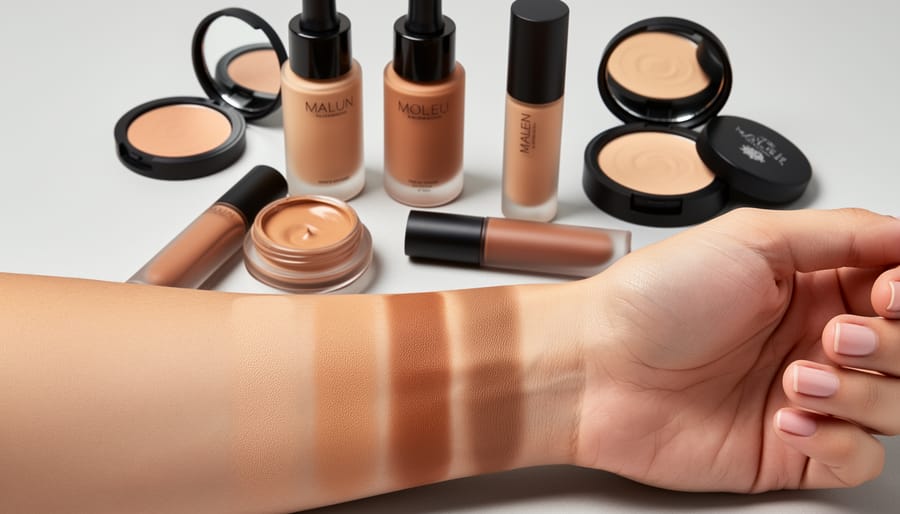
The best professional makeup formulations think like skincare first and color payoff second. Instead of heavy, pore-clogging ingredients that sit on the skin’s surface, camera-ready products tend to be built on hydrating bases with humectants like glycerin and hyaluronic acid that draw moisture into the skin while providing flawless coverage. I’ve noticed this shift in professional lines over the past few years, and it mirrors how my own skincare routine has evolved, layering actives like vitamin C serum before makeup rather than treating the two as separate steps.
Many camera-ready foundations and concealers now incorporate antioxidants such as vitamin E, green tea extract, and niacinamide to protect skin from environmental stressors and oxidative damage throughout the day. Some formulations even include makeup with SPF claims built in, though you’ll still want your dedicated sunscreen underneath for adequate protection. Think of these ingredients as working double duty: they create that smooth, radiant finish cameras love while actively nourishing your skin barrier instead of compromising it.
This approach reminds me of how we protect hair before styling with thermal heat protectants. Professional makeup artists have long understood that healthy skin creates the best canvas for makeup, which is why these camera-ready formulations prioritize breathable textures and non-comedogenic ingredients that won’t trigger breakouts or clog pores, even after hours of wear under hot studio lights.
How These Products Complement Your Skincare Routine
The trick to making camera-ready makeup work with your skincare is timing and technique. Wait three to five minutes after your final skincare step before applying primer, this lets serums and moisturizers fully absorb so they don’t pill or slide around when you add makeup. I learned this the hard way during a photoshoot when my foundation separated because I rushed.
Choose primers that match your skin’s needs. If you follow a hydrating winter skincare routine look for silicone-free primers that won’t create a barrier between your nourishing products and your skin. For those inspired by the glazed-skin Hailey Bieber routine opt for luminous primers that enhance rather than mattify your skincare glow.
Apply primer in thin layers using pressing motions instead of rubbing. This protects your skin barrier from friction and helps products meld together. Camera-ready formulas are concentrated, so you need less than drugstore versions, a pea-sized amount covers your entire face. When you use less product, your skincare can still breathe through, maintaining the skin health you’ve worked hard to build.
Learning From the Pros: Camera Ready Cosmetics’ Educational Approach
What sets Camera Ready Cosmetics apart is their genuine commitment to education. This isn’t just a store that sells products and sends you on your way. They’ve built an entire learning ecosystem designed to help everyone from curious beginners to aspiring professionals improve their makeup skills.
Their in-person classes give you direct access to professional artists who work with these products daily. You’ll learn application techniques that actually work under challenging conditions, not just in perfect bathroom lighting. I’ve watched friends transform their makeup game after attending just one session, finally understanding why their foundation looked different in photos than in the mirror.
The Camera Ready LIVE Instagram series brings this education directly to your phone. These sessions feature brand founders, working makeup artists, and industry insiders sharing real-world knowledge you won’t find in product descriptions. It’s like having a backstage pass to professional makeup conversations.
Here’s what I appreciate most: they explain the why behind techniques, not just the what. You’ll learn how certain blending methods prevent flashback, which formulations photograph better on different skin tones, and how to troubleshoot common issues that pop up during long shoots or events. This knowledge translates directly to everyday application, making your routine more efficient and your results more consistent.
Even if you never step foot on a set or work professionally, understanding how pros approach makeup changes how you think about your own routine. You start making smarter product choices and applying them with more intention. That education pays dividends every time you open your makeup bag.
What to Look for When Shopping Camera Ready Products
Shopping for camera-ready cosmetics feels different than browsing your usual beauty aisle. Professional formulations come with their own vocabulary and standards that can seem intimidating at first. I remember staring at product descriptions filled with terms like “HD-friendly” and “flash-compatible” wondering what actually mattered for my skin. Here’s what I’ve learned about cutting through the marketing speak to find products that deliver both professional performance and skincare benefits.
Start by checking the ingredient list for skin-supportive components. Look for hyaluronic acid in foundations and concealers, which keeps makeup looking fresh while providing hydration throughout wear. Vitamin E acts as an antioxidant shield, protecting your skin from environmental stressors while you wear the product. Many camera-ready formulations include silica, which creates that soft-focus effect that photographs beautifully without the heavy silicone feel of some primers. If you see titanium dioxide or zinc oxide listed, you’re getting mineral SPF protection as a bonus.
Texture descriptions tell you how a product will interact with your skincare routine. “Buildable coverage” means you can layer without caking, perfect when you’ve applied serums underneath. “Breathable formula” indicates the product won’t trap oils or suffocate your pores during extended wear. “Demi-matte finish” or “satin finish” are your friends for camera work, these avoid both the shine that creates hot spots in photos and the flat, chalky appearance of full matte products.
| Skin Type | Recommended Product Types | Key Ingredients to Prioritize |
|---|---|---|
| Dry | Luminous foundations, cream blushes, hydrating setting sprays | Hyaluronic acid, glycerin, squalane |
| Oily | Oil-free liquid formulas, powder products, mattifying primers | Silica, kaolin clay, salicylic acid |
| Combination | Gel-based products, hybrid formulas, targeted primers | Niacinamide, dimethicone, botanical extracts |
| Sensitive | Mineral-based makeup, fragrance-free options, gentle formulas | Zinc oxide, allantoin, chamomile |
Pay attention to how products describe their photographic performance. “Flash-friendly” or “no flashback” means the formula won’t create that ghostly white cast in flash photography, this matters whether you’re being professionally photographed or just taking selfies with friends. “HD-compatible” indicates finely milled pigments that won’t emphasize texture or pores when captured in high-definition.
Reading professional product descriptions requires understanding what certain phrases really mean for your skin. “Non-comedogenic” is non-negotiable if you’re prone to breakouts. “Long-wearing” should specify hours rather than vague claims, eight to twelve hours is standard for quality camera-ready products. “Transfer-resistant” means it stays on your face rather than ending up on your phone or clothes, but it shouldn’t require aggressive removal that strips your skin barrier.
The best camera-ready products work with your existing skincare rather than requiring you to change your entire routine. If a foundation description emphasizes the need for a specific primer from the same brand, that’s often a red flag. Professional formulations should perform well over properly prepped, moisturized skin without demanding a complete product ecosystem.
My Personal Experience With Camera Ready Formulations
I’ll be honest: my first camera-ready foundation left me convinced I’d wasted money. I applied it exactly like my drugstore favorite, and it sat on my skin looking cakey and obvious. Only after watching one of Camera Ready’s educational tutorials did I realize the problem wasn’t the product. Professional formulations need less product and different application techniques than what I’d learned with mass-market makeup.
That shift changed everything. Once I started using a damp beauty sponge with a light hand, that same foundation created the most natural, skin-like finish I’d ever achieved. My pores looked refined without feeling clogged, and the coverage lasted through my entire workday without breaking down around my T-zone.
My biggest discovery has been how these products photograph. I used to avoid flash photography because it always left me looking shiny or washed out. Camera-ready formulations seem to understand light differently. They diffuse it rather than reflecting it back harshly, which means my vacation photos and work headshots finally look like me on a good day instead of someone else entirely.
The transition from drugstore to professional wasn’t overnight, and I don’t think it needs to be. I started with one foundation, then added a concealer when I saw the difference. My advice? Pick one product in a category you struggle with and give yourself time to learn its quirks. These formulations perform differently, but once you adjust your technique, the results justify the learning curve. I still use some drugstore products for certain steps, but for base makeup that needs to perform, I won’t go back.
Is Camera Ready Makeup Right for Your Beauty Routine?
Camera-ready cosmetics aren’t for everyone, and that’s perfectly fine. Your skincare routine and lifestyle should guide your decision, not trends or what professionals use on set.
If you’re creating content for social media, attending frequent events, or simply love experimenting with makeup, these formulations will likely enhance your results. The superior pigmentation means you’ll use less product, and the skin-friendly ingredients work with your existing regimen rather than undoing your 10-minute mask efforts. Content creators, in particular, notice how these products photograph consistently across different lighting conditions without the dreaded flashback or cake-face effect.
- Superior pigmentation means less product needed per application
- Formulations often include skincare benefits like antioxidants and hydration
- Perform consistently across various lighting and camera conditions
- Professional-grade quality that lasts through long events
- Higher price point than drugstore alternatives
- May require learning new application techniques
- Some formulations need specific primers or setting products to perform optimally
- Unnecessary expense if you rarely photograph your makeup or attend special events
For those who primarily work from home, prefer minimal makeup, or aren’t frequently photographed, your everyday formulations probably meet your needs. There’s no shame in sticking with what works for your daily routine. Camera-ready products shine in specific situations, not necessarily in your morning rush before a Zoom call.
Consider starting with one strategic piece, like a foundation or concealer, rather than overhauling your entire collection. This lets you test whether the performance difference justifies the investment for your particular lifestyle and skin goals.
Whether you’re preparing for a big event, building a content creation kit, or simply want makeup that performs as beautifully as your carefully curated skincare routine, camera-ready cosmetics offer that professional edge. These formulations respect your skin while delivering the kind of flawless finish that photographs beautifully and lasts through your day.
If you’re curious about diving deeper, Camera Ready Cosmetics offers classes and their Camera Ready LIVE Instagram series, where you can learn directly from industry professionals and brand founders. It’s a fantastic way to understand not just what products to use, but how to apply them properly.
The most important takeaway? There’s no one-size-fits-all approach to beauty. Camera-ready formulations work brilliantly for some routines and goals, while simpler options suit others perfectly. Trust your skin, listen to what it needs, and choose products that genuinely enhance your natural beauty rather than covering it up. Your skincare journey is yours alone, and the best makeup choices are the ones that make you feel confident and comfortable in your own skin.