Radical cosmetics means two things in 2026: a trusted contract manufacturer that’s been formulating color cosmetics and skincare since 2003, and an entire movement toward radically transparent, clean beauty products that don’t hide behind vague marketing claims. If you’ve been searching for genuinely clean brands or wondering what “radical” transparency actually looks like on an ingredient label, you’re navigating a beauty landscape where buzzwords often overshadow substance.
The beauty industry has spent years promising “natural” and “clean” without defining those terms. Radical cosmetics, as a philosophy, flips that script. We’re talking about brands that publish full ingredient lists before you buy, explain why each component matters, and prove their claims through third-party testing. Think Three Ships with its transparent Canadian formulas, or Onekind designing specifically for sensitive skin without filler ingredients.
But here’s what makes this tricky: Radical Cosmetics the company, founded by Fenton Baijnath, operates behind the scenes. They develop and package products for other brands, meaning your favorite “clean” label might actually come from their labs. Understanding this connection matters because knowing who manufactures your skincare is just as important as reading the ingredient deck.
I’ve spent years testing products that claim radical transparency, and the gap between marketing and reality can be massive. Some brands genuinely reformulate to meet higher standards (Garnier now balances accessibility with high-tech natural ingredients), while others slap “clean” on the same old formulas. Learning to spot the difference protects both your skin and your wallet, especially as premium clean beauty prices continue climbing.
What ‘Radical Cosmetics’ Really Means for Your Skincare Routine
When you spot “radical cosmetics” on your skincare radar, you’re actually encountering two distinct but connected concepts that both deserve your attention. On one hand, it’s a consumer-facing philosophy sweeping the beauty world, a movement toward radical transparency where brands strip away the marketing fluff and show you exactly what’s in the jar, where it came from, and how it was made. This isn’t just another clean beauty buzzword; it’s a fundamental shift in how brands like Three Ships and Onekind communicate with their customers, sharing full ingredient origins, sustainability practices, and even the “why” behind formulation choices.
But here’s where it gets interesting: there’s also Radical Cosmetics the company, a contract manufacturer and developer that’s been working behind the scenes since 2003, led by Founder and CEO Fenton Baijnath. They’re the type of operation most consumers never hear about, yet they develop and produce the actual products you see on shelves. Contract manufacturers create formulas, source ingredients, and handle packaging for multiple brands, which means their standards directly impact what ends up on your face.
Why does this dual meaning matter to you? Because the philosophical shift toward radical transparency in beauty intersects perfectly with manufacturing innovation. When a contract manufacturer prioritizes clean formulations and sustainable practices, it raises the bar across multiple brands simultaneously. The accessible innovation from brands like Garnier, the clinical precision of Paula’s Choice at Sephora Canada, or the luxury consciousness of Lancôme, all exist within an ecosystem where manufacturing partnerships shape what’s possible. Understanding both the movement and the machinery behind it makes you a smarter shopper who can see past marketing to evaluate real product integrity.
The Transparency Revolution: Why Clean Beauty Went Radical
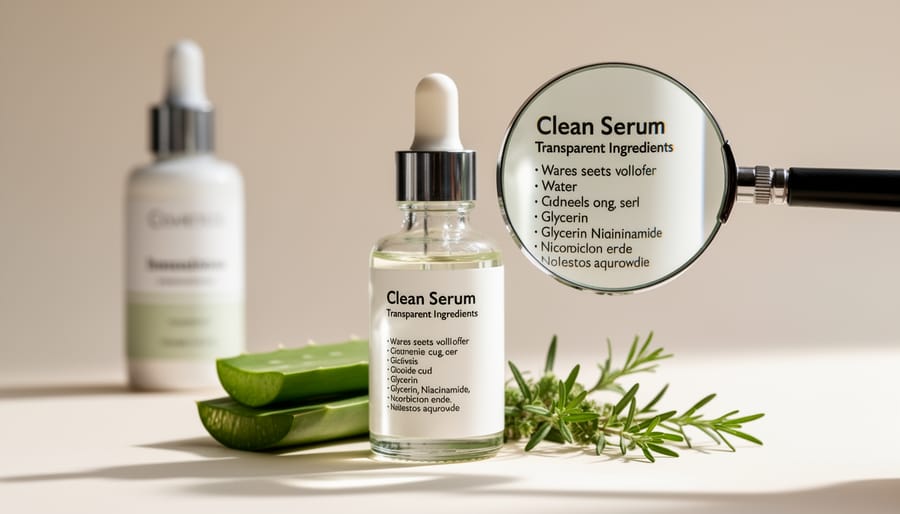
The clean beauty movement didn’t just ask brands to remove a few questionable ingredients, it demanded they rethink everything from sourcing to packaging. What started as “paraben-free” labels evolved into a full-blown transparency revolution, where consumers now expect brands to open their books on every step of production. This radical shift isn’t about marketing buzzwords anymore. It’s about proving every claim with receipts.
Ingredient sourcing became the first battleground. Shoppers grew tired of vague “natural” claims and started asking pointed questions: Where exactly do these botanicals come from? Are the farmers paid fairly? How fresh are these actives by the time they reach my bathroom shelf? Brands that couldn’t answer found themselves losing ground to competitors who published supplier lists, shared harvest dates, and even welcomed customers to visit their production facilities. The old industry playbook of proprietary secrecy crumbled under pressure from a generation that trusts proof over promises.
Formulation transparency followed close behind. Progressive brands began sharing not just what goes into their products, but what stays out, and why those choices matter for skin health. Three Ships, a Canadian clean skincare brand, built its entire reputation on vegan formulas and radical openness about every ingredient decision. They don’t just list components; they explain the purpose of each one and provide third-party testing results. Similarly, Onekind developed clean skincare specifically for sensitive skin, recognizing that transparency matters most when you’re trying to avoid triggers. Their approach to fragrance-free skincare exemplifies this philosophy, no hidden irritants, no mysterious “parfum” on the label.
Sustainability practices completed the transparency trifecta. Consumers demanded details on packaging materials, carbon footprints, and waste reduction strategies. Brands responded with everything from refillable containers to carbon-neutral shipping, and crucially, the data to back it up. The radical cosmetics philosophy emerged from this convergence: beauty products that hide nothing, compromise on nothing, and prove everything they claim.
This transparency isn’t optional anymore. It’s the new standard.
Behind Your Favorite Products: How Radical Cosmetics Shapes the Industry

Ever wondered who actually makes the skincare products lining your bathroom shelf? There’s a good chance Radical Cosmetics played a role. Since 2003, this contract manufacturer has quietly shaped the beauty industry from behind the scenes, turning brand visions into the formulas you smooth onto your skin each morning.
Under the leadership of Founder and CEO Fenton Baijnath, Radical Cosmetics specializes in both color cosmetics and skincare development. Think of them as the bridge between a brand’s concept and the finished product in your hands. When a new skincare line launches with innovative textures or a makeup brand introduces a groundbreaking formula, there’s often a contract manufacturer like Radical Cosmetics handling the technical heavy lifting, ingredient sourcing, formulation development, stability testing, and packaging solutions.
This manufacturing partnership model matters more than you might think. It allows emerging brands to access sophisticated production capabilities without building their own facilities, which translates to better quality products at accessible price points. A small clean beauty startup can tap into the same manufacturing expertise that larger brands use, leveling the playing field considerably.
Contract manufacturers also drive innovation across the industry. When Radical Cosmetics develops a new sustainable packaging solution or refines a formulation technique, that knowledge ripples outward to multiple brands. The result? Faster adoption of cleaner ingredients, improved product performance, and manufacturing practices that prioritize both efficacy and safety.
For you as a consumer, understanding this behind-the-scenes ecosystem adds context to your skincare choices. That indie brand you discovered on Instagram and the established name at Sephora might share similar manufacturing standards because they’re tapping into comparable expertise. It’s a reminder that quality skincare isn’t always about the flashiest marketing, sometimes it’s about who’s formulating and producing behind the label.
Brands Leading the Radical Beauty Movement

The radical beauty movement isn’t confined to a single tier, it spans drugstore shelves to luxury counters, proving that transparency and innovation are compatible with every budget. These standout brands show how radical approaches to cosmetics translate into real products you can trust.
Garnier brings radical accessibility to the masses, combining high-tech natural ingredients with prices that don’t require a second mortgage. Their commitment to inclusive beauty means effective formulas designed for diverse skin tones and types, making clean innovation something everyone can afford. You’ll find their products at virtually any drugstore, which is itself a radical departure from the elitist “clean beauty is expensive” narrative that dominated the early 2010s.
Three Ships exemplifies Canadian clean beauty done right. Built on radical transparency, they publish their full ingredient sourcing stories and maintain strict vegan formulations. Their sustainability practices extend beyond the bottle, carbon-neutral shipping and recyclable packaging are standard, not marketing add-ons. For anyone with sensitive skin who’s tired of decoding ingredient lists, Three Ships makes the process refreshingly straightforward.
| Brand | Radical Approach | Best For | Where to Find |
|---|---|---|---|
| Garnier | Accessible high-tech natural beauty | All skin types, budget-conscious | Drugstores, mass retailers |
| Three Ships | Transparency, vegan, sustainable | Sensitive skin, eco-focused | Online, Canadian retailers |
| Paula’s Choice | Clinical clean, research-backed | Specific skin concerns | Sephora Canada, online |
| Onekind | Clean skincare for sensitivity | Reactive, sensitive skin | Specialty boutiques |
| Lancôme | Luxury with evolving sustainability | Those seeking premium performance | Department stores, Sephora |
Paula’s Choice represents the clinical side of radical beauty, every formula backed by peer-reviewed research, every claim substantiated. Available at Sephora Canada, they’ve proven that science-first doesn’t mean harsh or complicated. Their ingredient dictionaries and transparency about what works (and what doesn’t) have educated an entire generation of skincare enthusiasts.
Onekind focuses specifically on sensitive skin with clean formulations and fine fragrance oils that won’t trigger reactions. Their radical approach is specialization, doing one thing exceptionally well rather than chasing every trend.
Even luxury players are evolving. Lancôme is gradually integrating sustainability into their heritage formulas, showing that established brands can shift without abandoning what made them iconic. Their makeup, skincare and fragrance lines increasingly reflect consumer demands for conscience alongside performance.
What makes these brands truly radical isn’t just their individual approaches, it’s that collectively, they’re rewriting industry standards. When a drugstore brand prioritizes transparency and a luxury house embraces sustainability, the entire beauty landscape shifts. That’s the real power of the radical cosmetics movement.
What to Look for When Shopping Radical Cosmetics
Shopping for genuinely radical cosmetics requires looking past clever marketing to examine what brands actually do. Start with the ingredient list, which tells you far more than the front-of-package claims. Truly transparent brands list everything in plain language, often explaining their sourcing and why they chose each component. If a brand hides behind vague terms like “proprietary blend” or “fragrance” without breaking down what that means, they’re not practicing radical transparency.
Look for third-party certifications that verify claims rather than trusting self-awarded badges. Leaping Bunny (cruelty-free), USDA Organic, EWG Verified, and B Corp certification require brands to meet specific standards and submit to audits. These marks indicate a company invested in accountability, not just appearance. When shopping for plant-based actives, resources like our vegan retinol guide help you distinguish between genuinely clean formulations and those simply swapping one questionable ingredient for another.
Check how accessible a brand’s information is. Radical companies publish full ingredient glossaries, explain their manufacturing partners, and share sustainability reports without you having to dig. Brands like Three Ships make transparency central to their identity, openly discussing their vegan formulas and where ingredients come from. If you can’t easily find out who manufactures a product or where key ingredients originate, that opacity contradicts the radical philosophy.
Ask yourself these questions before buying: Does the brand explain the purpose of each ingredient? Can you verify their environmental claims through third-party sources? Do they address potential allergens and sensitivities honestly? Are they transparent about what they don’t know or are still working on? Companies practicing radical beauty don’t pretend to be perfect, they share their journey, setbacks included, which builds trust far more effectively than polished greenwashing ever could.
Understanding what radical cosmetics means, both as an industry innovator and a consumer movement, changes how you experience your skincare routine. When you know that companies like Radical Cosmetics have been quietly perfecting formulations and manufacturing processes since 2003, every serum and moisturizer tells a richer story. And when you recognize brands committed to genuine transparency, from Three Ships’ vegan formulas to Garnier’s accessible innovations, shopping becomes less about marketing hype and more about informed choices.
The beauty industry is moving in an exciting direction. Transparency isn’t a niche anymore; it’s becoming the standard we all expect. Whether you’re ready to start a routine or refine your existing one, you now have the tools to spot truly radical products. Look beyond the buzzwords, ask questions about ingredient sourcing, and support brands doing the hard work of clean beauty right.
Your skincare deserves this level of care, and so does your skin.