If you’ve been scrolling through social media and spotted Seora Skincare’s sleek packaging and glowing testimonials, you’re probably wondering whether this brand lives up to the hype. I get it. With so many new skincare lines launching every month, it’s hard to separate genuine innovation from clever marketing.
Seora Skincare has carved out a niche in the clean beauty space since its launch, positioning itself as a science-backed brand that bridges the gap between luxury and accessibility. The company emphasizes transparent ingredient lists, sustainable sourcing, and formulations designed for sensitive skin types. But does it actually deliver results, or is it just another pretty face in an oversaturated market?
I spent the past few months diving deep into Seora’s product lineup, analyzing ingredient formulations, and combing through hundreds of customer experiences. What I found was more nuanced than I expected. Some products genuinely impressed me with their thoughtful formulations and visible results, while others left me questioning the price point.
This review cuts through the promotional fluff to give you an honest assessment. We’ll examine what makes Seora different from competitors, whether their hero products justify the investment, and which skin concerns they address most effectively. I’ll also share real customer feedback patterns I noticed, including both the rave reviews and the complaints that don’t make it into Instagram ads.
Whether you’re dealing with stubborn acne, early signs of aging, or simply hunting for a gentler daily routine, you deserve to know if Seora is worth adding to your bathroom shelf.
What Is Seora Skincare?
Seora Skincare positions itself as a brightening specialist with a clear mission: creating products that work for all skin tones, types, and preferences. The brand has carved out a niche in the crowded skincare market by focusing specifically on hyperpigmentation concerns, particularly dark spots, acne scars, and uneven skin tone.
What caught my attention when researching this brand is their customer satisfaction data. With a 4.8 out of 5 rating from over 10,000 customers, Seora has built a substantial following. Those numbers suggest they’re doing something right, though I always look beyond ratings to understand the full picture.
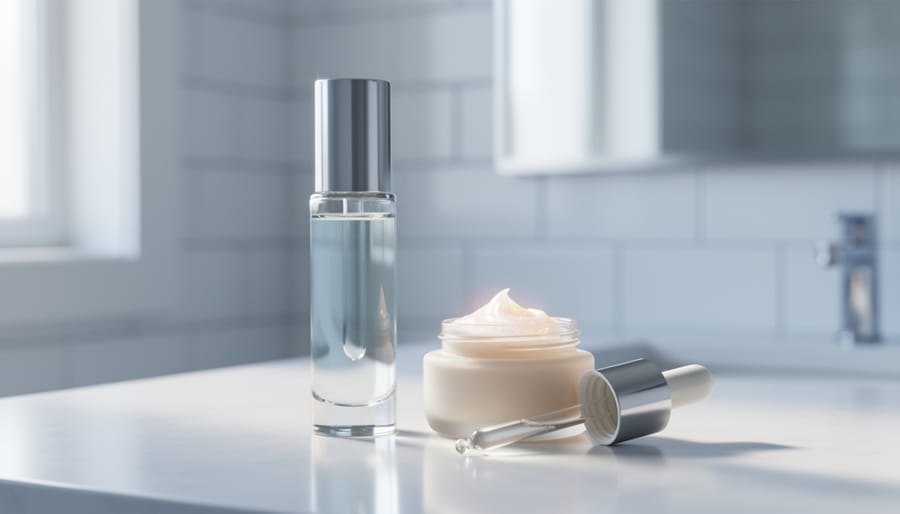
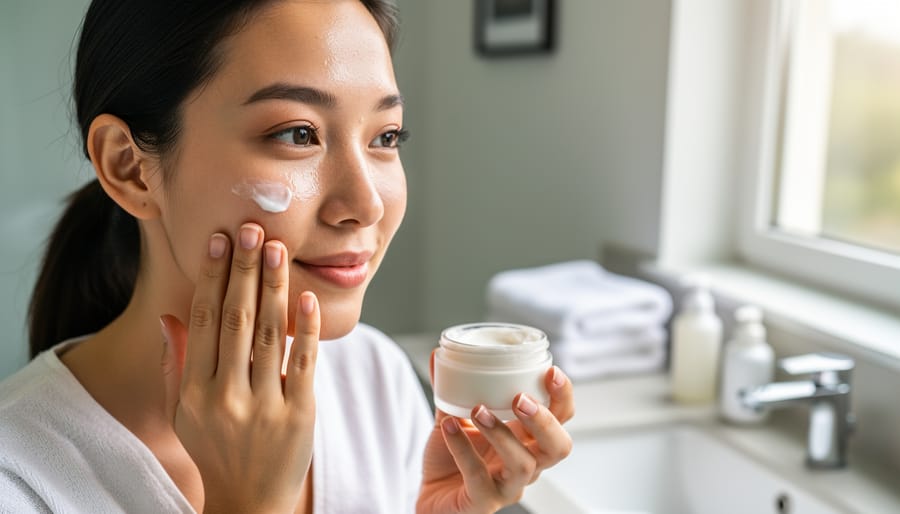
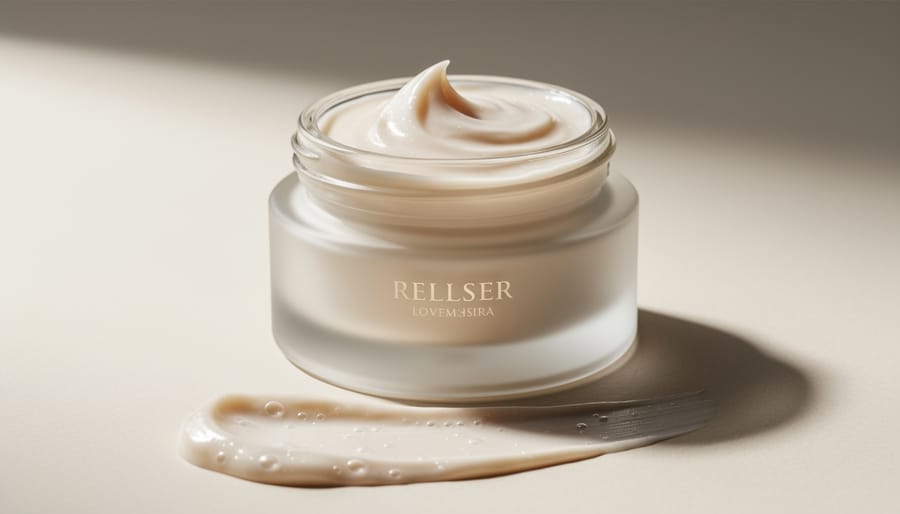
The brand’s flagship product, the Arbutin 7% + Tranexamic Acid 4% Cream, exemplifies their approach to brightening. By combining high concentrations of proven ingredients, Seora aims to deliver visible results for people who’ve struggled with persistent pigmentation issues. The cream currently retails for $40, down from an original price of $79.95, positioning it in the mid-range category for targeted treatment products.
I appreciate that Seora explicitly states their commitment to inclusivity across skin tones. Hyperpigmentation affects people differently depending on melanin levels, and products that work for one skin tone don’t always translate to another. This awareness suggests thoughtfulness in their formulation approach.
One practical note: Seora ships exclusively within the continental United States. If you’re outside this area, you won’t be able to purchase directly from them. They also include a standard disclaimer about product information accuracy, which is typical for skincare brands but worth mentioning for transparency.
Star Product Spotlight: Arbutin 7% + Tranexamic Acid 4% Cream
Breaking Down the Active Ingredients
Arbutin is a plant-derived compound that works by inhibiting tyrosinase, the enzyme responsible for melanin production in your skin. Think of it as a gentle interceptor that slows down the signals telling your skin to create pigment. At 7%, this concentration sits in the sweet spot, high enough to deliver visible results without the irritation that stronger alternatives can cause. It’s gentler than hydroquinone but still clinically effective for addressing hyperpigmentation.
Tranexamic acid takes a different approach. Originally used in medicine to reduce bleeding, researchers discovered its skin-brightening properties almost by accident. It works by blocking the interaction between melanocytes (pigment-producing cells) and keratinocytes (skin surface cells), essentially disrupting the transfer of pigment. The 4% concentration here is notably high for a topical product, positioning it closer to prescription-strength formulations.
What makes this pairing effective is their complementary mechanisms. While arbutin prevents new pigment formation, tranexamic acid addresses existing discoloration and prevents melanin transfer. It’s similar to how some people layer a vitamin C serum with other brightening ingredients, except these two are formulated together at clinical concentrations.
The combination targets multiple pathways of pigmentation simultaneously, which explains why users report improvements in stubborn concerns like post-inflammatory hyperpigmentation and melasma. These aren’t quick fixes, you’re looking at 8-12 weeks for noticeable results, but the dual-action approach makes the wait worthwhile for many people.
Pricing and Value Assessment
At $40, this cream sits in the mid-range for brightening treatments, but what caught my attention is that “discounted from $79.95” label. I’m always skeptical of perpetual sales, yet when I compare the active concentrations to what else is out there, the pricing starts making more sense.
Most drugstore brightening products hover around $15-25 but typically contain 2-3% arbutin or lower concentrations of tranexamic acid. Premium options from established skincare brands with comparable active levels often run $60-100. The 7% arbutin and 4% tranexamic acid combination here delivers clinical-strength concentrations that you’d normally find at higher price points.
Here’s where value gets interesting: you’re paying for two potent actives in one product rather than layering separate serums, which would easily cost $50-80 combined. The concentration levels matter because lower percentages mean slower results or potentially none at all for stubborn hyperpigmentation.
That said, I wish Seora provided clearer information about product size. Without knowing whether you’re getting 30ml or 60ml, it’s tough to calculate true cost per application compared to competitors. If you’re targeting specific dark spots rather than treating your entire face, a smaller jar could last several months, making the price more reasonable.
For someone serious about addressing hyperpigmentation who’s already invested in a solid basic routine, $40 feels justified. If you’re just starting out or prefer gentler introductions to new actives, the price might give you pause.
Real Customer Experiences: What Reviews Reveal
With over 10,800 customer reviews and a 4.8 out of 5 rating, Seora’s feedback landscape paints a compelling picture. I spent time digging through available customer experiences to understand what’s working and where the brand might fall short.
The positive feedback clusters around visible results. Customers frequently mention noticing improvements in dark spots and post-inflammatory hyperpigmentation within weeks of consistent use. Many reviewers highlight the cream’s texture, describing it as lightweight and easy to layer with other products in their routines. The affordability relative to similar brightening treatments also earns consistent praise, especially given the active ingredient concentrations.
What I find particularly telling is the enthusiasm from people dealing with stubborn hyperpigmentation from acne-prone skincare concerns. The combination of arbutin and tranexamic acid seems to resonate with those who’ve tried multiple brightening solutions without success.
- High customer satisfaction rating of 4.8/5 from substantial review volume
- Consistent reports of visible improvement in dark spots and uneven tone
- Lightweight texture that layers well with existing routines
- Competitive pricing for professional-grade active concentrations
- Results require consistent use over several weeks, not immediate fixes
- Limited third-party review platforms make independent verification challenging
- Some users report needing to adjust application frequency for sensitive skin
The areas for improvement center on expectations and patience. Several reviewers note that results aren’t overnight, which tracks with how brightening ingredients actually work at the cellular level. A few mention initial sensitivity when starting the product, suggesting the importance of gradual introduction.
One observation worth noting: most available reviews appear on the brand’s own platform. While the volume is impressive and the rating is strong, I’d love to see more independent reviews on third-party sites to get a fuller picture of long-term performance across diverse skin types.
Who Should Consider Seora Skincare?
Seora’s brightening products shine brightest for anyone struggling with hyperpigmentation, post-acne marks, or persistent dark spots that refuse to fade. If you’ve tried gentle brightening serums without results, the higher concentrations of arbutin and tranexamic acid in Seora’s flagship cream offer a step up in potency without venturing into prescription-strength territory.
The brand positions itself as inclusive for all skin tones and types, which matters particularly for melanin-rich skin where hyperpigmentation tends to be more stubborn and visible. The science behind arbutin and tranexamic acid supports this claim, as both ingredients work by inhibiting melanin production rather than exfoliating surface cells, making them suitable even for sensitive skin that reacts poorly to acids or retinoids.
You’re an ideal candidate if your primary concern is uneven tone rather than active acne or deep wrinkles. These products target the aftermath of breakouts and sun damage, not the underlying causes. If you already have a solid winter skincare routine and want to add targeted brightening, Seora slots in nicely as a treatment step.
That said, complete beginners to skincare might find the active concentrations overwhelming without a basic routine in place first. And if you’re hoping for dramatic results within days, temper expectations. Brightening products work gradually, typically showing visible improvement over weeks rather than overnight.
The brand works for those who prefer straightforward formulations focused on specific actives rather than multi-benefit products packed with dozens of ingredients. If you value knowing exactly what you’re putting on your face and why, Seora’s transparent approach to highlighting its star ingredients aligns with that preference.

Important Considerations Before Purchasing
Before clicking “buy,” there are a few practical details worth knowing. First and most significantly for my international readers, Seora currently ships only within the continental United States. If you’re outside the U.S., including Canada, you’ll need to look elsewhere for your brightening needs, perhaps exploring alternatives like diamond-infused sunscreen brands that offer broader availability.
The brand also includes a standard disclaimer noting that while they strive for accuracy in product descriptions and ingredient lists, they don’t guarantee every detail is perfect. This is fairly common across skincare brands, but it’s a reminder to double-check ingredients if you have specific allergies or sensitivities.
As with any new brightening product containing active ingredients like arbutin and tranexamic acid, I’d strongly suggest patch testing first. Apply a small amount to your inner arm or behind your ear for 24-48 hours before using it on your face. These concentrations are generally well-tolerated, but everyone’s skin responds differently, and it’s better to discover any sensitivity on a small test area rather than your entire face.
My Honest Take on Seora Skincare
After spending time with Seora’s product lineup and digging through customer feedback, I have mixed feelings that lean positive but come with some caveats.
The ingredient concentrations genuinely impress me. A 7% arbutin and 4% tranexamic acid combination at that price point is competitive, especially when you compare it to luxury brands charging double for similar formulations. The science backs these ingredients for brightening concerns, and the brand’s 4.8/5 rating from nearly 11,000 customers suggests most people see results. That level of consistency in reviews is hard to fake.
Where Seora shines is accessibility. They’ve created products that address real hyperpigmentation concerns without requiring a dermatology degree to understand the ingredient list. The inclusive approach to all skin tones matters, and the straightforward product descriptions help people make informed choices.
My reservations? The brand is still building its track record. Unlike established names I’ve covered in my Muji skincare review Seora doesn’t have decades of reputation behind it. The disclaimer about not guaranteeing product information accuracy raised my eyebrows, though that’s standard legal language many brands use. I’d also love to see more transparency about ingredient sourcing and formulation processes.
The biggest drawback is the U.S.-only shipping policy, which excludes a huge portion of potential customers who can’t access these products.
For someone dealing with stubborn dark spots or post-acne marks, Seora offers a legitimate option worth testing. The active ingredient concentrations justify the investment, and the customer satisfaction data suggests most people don’t regret trying it. Just go in with realistic expectations about timeframes, patch test first, and remember that skincare results vary person to person.
After examining Seora Skincare from multiple angles, the picture becomes clearer. The brand shows promise with its science-backed ingredient concentrations, impressive customer satisfaction ratings, and commitment to inclusive formulations. If you struggle with hyperpigmentation, dark spots, or uneven skin tone and want a brightening solution without breaking the bank, Seora deserves consideration.
That said, skincare remains deeply personal. What transforms one person’s complexion might not work the same magic for yours. Your skin chemistry, existing routine, and specific concerns all play a role in how any product performs.
Before adding Seora to your cart, think about your primary skin goals. Do the active ingredients align with what your skin actually needs? Can you work with the U.S.-only shipping limitation? Are you prepared to patch test and give the products time to show results?
I’d love to hear about your experience if you decide to try Seora. Does it live up to the brightening claims? How does it fit into your routine? Your real-world feedback helps other skincare enthusiasts make smarter choices. Drop a comment sharing your thoughts, whether you’re already a Seora user or still weighing your options. Here’s to finding products that genuinely work for your unique skin.