Instagram has become the world’s largest skincare advice platform, with millions of users sharing everything from elaborate 12-step Korean routines to minimalist three-product regimens. The challenge? Figuring out which of these picture-perfect routines will actually work for your skin, and which are just aesthetically pleasing content designed to rack up engagement.
The truth is, skincare routines on Instagram exist on a spectrum. Some are shared by licensed dermatologists and aestheticians who genuinely want to educate their followers. Others come from well-meaning enthusiasts who may not realize their miracle routine could trigger someone else’s breakout nightmare. And yes, plenty are carefully curated brand partnerships where that glowing complexion has more to do with ring lights and filters than the product being promoted.
I learned this lesson the hard way after trying a viral “glass skin” routine I saw from an influencer with flawless photos. Three weeks and several inflamed breakouts later, I realized her combination of active ingredients was way too aggressive for my sensitive skin type. That experience taught me something valuable: Instagram can be an incredible resource for skincare inspiration and education, but only when you know how to separate helpful guidance from hype.
The good news? You can absolutely use Instagram to discover effective skincare routines and learn from credible experts. You just need the right framework for evaluating what you see, adapting recommendations to your unique skin needs, and recognizing when someone actually knows what they’re talking about versus when they’re simply good at taking pretty bathroom shelf photos.
The Rise of Skincare Routine Instagram Culture
Instagram wasn’t always a skincare destination. Five years ago, beauty content meant polished tutorials and brand campaigns. Then something shifted. Real people started posting their actual bathroom counters, sharing the products that helped their acne, their hyperpigmentation, their texture. The comment sections exploded with questions, recommendations, swaps for different budgets.
The platform’s visual nature made it perfect for skincare storytelling. A carousel post could show someone’s skin journey across months. A Reel could demonstrate exactly how to layer three serums. Stories let influencers answer follower questions in real time, creating conversations instead of monologues. When TikTok’s skincare community gained momentum, Instagram adapted quickly, borrowing the casual “get ready with me” format and the honest product reviews that made #SkinTok so addictive.
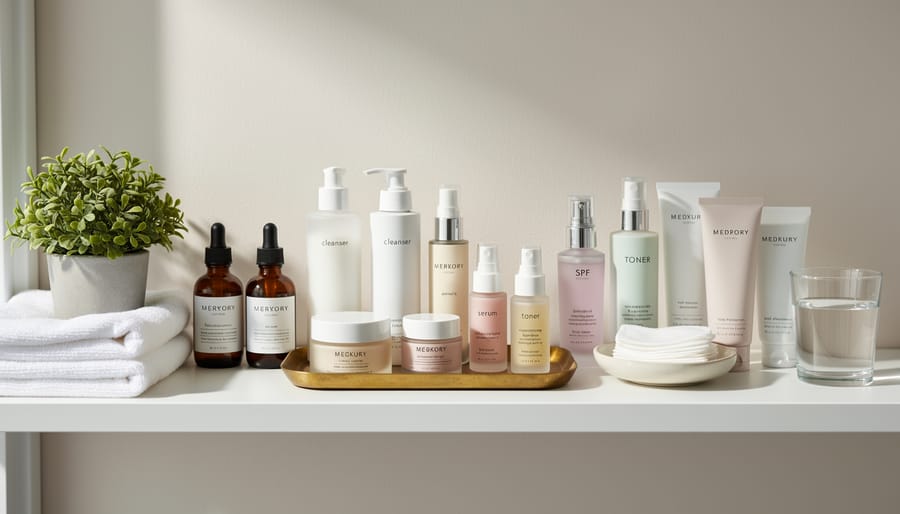
What really fueled this transformation was the aesthetic component. Skincare photography became an art form. Those carefully arranged shelfies with morning light streaming across glass bottles weren’t just showing products; they were selling a lifestyle, a moment of self-care ritual that felt attainable. The GRWM videos added motion and personality, letting viewers see textures, watch application techniques, hear genuine reactions to how products feel and smell.
The authenticity factor can’t be overstated. People were tired of airbrushed campaigns. They wanted to see someone with similar skin talking about what actually faded their dark spots over three months, not a model with genetically perfect skin holding a jar. Instagram’s algorithm rewarded engagement, and nothing drove engagement like vulnerability about skin struggles. When an influencer posted their bare face with active breakouts alongside their routine, followers felt seen. That relatability transformed casual scrollers into devoted communities, all swapping notes on what worked.
What Makes Influencer Skincare Routines So Compelling
Instagram skincare routines hook us because they deliver something traditional beauty advertising never could: raw, unfiltered reality mixed with aspirational results. When an influencer posts their morning routine with actual acne visible in the frame, it creates an immediate sense of trust that no magazine ad can replicate.
The before-and-after transformation remains the most powerful draw. Watching someone document their journey from cystic acne to clear skin over months of consistent posts taps into our desire for proof that change is possible. These aren’t airbrushed models with perfect skin pretending a product worked overnight. They’re real timelines showing gradual improvement, setbacks included.
What really sets these posts apart is the vulnerability. Influencers who share their skin struggles, crying over a breakout or admitting a routine isn’t working, forge connections that feel remarkably personal. You’re not being sold to by a distant celebrity. You’re getting advice from someone who genuinely understands the frustration of waking up to new blemishes before an important event.
Product transparency amplifies this trust. When creators show every single item they use, down to the affordable drugstore cleanser tucked between luxury serums, it feels like insider information. The willingness to mix high and low, admit what disappointed them, or revisit products months later adds credibility that scripted content lacks.
This creates what psychologists call a parasocial relationship. You feel like you know this person, like they’re a knowledgeable friend sharing secrets over coffee. That emotional investment makes their recommendations feel less like marketing and more like genuine help from someone who wants your skin to thrive as much as theirs has.
Common Types of Skincare Routine Posts You’ll See
Scroll through Instagram’s skincare content for five minutes and you’ll notice clear patterns. Certain formats dominate the feed because they work, they’re visually satisfying, easy to digest, and genuinely helpful when you’re trying to start a routine yourself.
Morning versus night routines remain the bread and butter of skincare Instagram. These posts usually feature products lined up in application order, sometimes with the influencer’s face appearing between steps. Morning routines typically showcase lighter textures, vitamin C serums, year-round sunscreen hydrating mists, while nighttime posts lean heavier with retinols, oils, and sleeping masks. The side-by-side format makes it dead simple to see how routines shift throughout the day.
Seasonal skincare switches pop up like clockwork every few months. You’ll see influencers swapping their gel moisturizer for a richer cream as fall arrives, or introducing chemical exfoliants when summer fading begins. These posts tap into our collective desire to optimize for weather changes, though the dramatic overhauls aren’t always necessary for everyone.
Product empties and monthly favorites have cult followings for good reason. When someone shows you a completely used-up bottle of serum, that’s a different level of endorsement than a fresh unboxing. These posts reveal what influencers actually repurchase versus what they try once and forget. The realness factor is high.
Budget versus luxury comparisons address the question everyone’s thinking: does the expensive version actually work better? Influencers will test a drugstore retinol against a prestige brand, or compare a $15 cleanser to its $60 counterpart. The conclusion usually lands somewhere in the middle, some categories justify the splurge, others don’t.
Treatment-focused routines target specific concerns. You’ll find dedicated posts for acne, hyperpigmentation, anti-aging, or rosacea management. These often include progress photos and detailed explanations of active ingredients. They’re particularly valuable because they show how products work together to address one goal rather than trying to do everything at once.
The variety keeps the content fresh, but it also means you need to know what you’re actually looking for before diving in.
How to Actually Use Influencer Routines for Your Own Skin
Start With Your Skin Concerns, Not Their Products
The most valuable thing you can do before saving a single Instagram skincare post is grab a piece of paper and write down your actual skin concerns. Not what some influencer struggles with, what bothers you when you look in the mirror. Is it persistent dryness that gets worse in winter? Breakouts along your jawline? Dark spots from old acne? Post-inflammatory hyperpigmentation? The temptation to screenshot a glowing influencer’s entire routine is strong, but their products solve their problems, not necessarily yours.
Once you’ve identified your top two or three concerns, you can search for creators who explicitly mention dealing with those same issues. Look through their captions and stories for phrases like “my hormonal acne” or “I’ve always dealt with redness”, this tells you they’re addressing your actual skin situation. Someone with oily, acne-prone skin will need completely different actives and textures than someone managing rosacea, even if both routines look beautiful in a flat lay. This targeted approach saves you from buying products that might work brilliantly for someone else’s skin while doing nothing for yours, or worse, creating new problems you didn’t have before.
The Three-Product Rule for Testing New Routines
When you see an influencer’s ten-step routine delivering glowy results, the temptation to overhaul your entire skincare shelf is real. But your skin can’t handle that kind of shock, and your budget probably can’t either.
The three-product rule creates a simple boundary: test a maximum of three new products from any Instagram routine you want to try, and introduce them one at a time. Here’s how to make it work:
- Choose your first product based on your primary skin concern, not what looks prettiest on camera. If hydration is your issue and the influencer raves about a specific serum, start there.
- Use that product consistently for two weeks minimum before adding anything else. Watch for reactions, improvements, or no change at all. Your skin needs time to adjust and show you what’s actually happening.
- Add your second product only after you’ve decided whether the first one stays or goes. Space new additions at least two weeks apart so you know exactly what’s causing any changes you see.
- By your third product, evaluate the whole mini-routine together. Three compatible products that address your specific needs will outperform ten random items you grabbed because they looked good in someone’s shelfie.
This approach protects you from the common mistake of introducing five new products simultaneously, breaking out horribly, and having zero idea which one caused the problem. It also prevents drawer clutter from impulse purchases that never get used.
If an influencer’s routine includes fifteen products, you’re not failing by choosing just three. You’re being strategic about what your skin actually needs versus what makes for engaging content.
When to Skip the Trend
Not every Instagram skincare trend deserves a place in your routine. Skip routines that involve more than eight products, your skin doesn’t need that much layering, and the complexity makes it impossible to identify what’s actually working. Be wary when influencers with naturally oily skin rave about heavy creams, or those with dry skin promote mattifying products. Their skin type fundamentally differs from yours, making their experience irrelevant to your needs.
Avoid trends featuring harsh physical exfoliants used daily, DIY mixing of active ingredients without professional guidance, or multiple exfoliating acids stacked in one routine. These practices can severely damage your moisture barrier despite looking harmless in a polished video. If an influencer’s entire feed promotes one brand exclusively, their routine likely reflects a business arrangement rather than genuine effectiveness. Trust your skin’s reaction over their enthusiasm.
Spotting Authenticity vs. Sponsored Content
Scroll through any influencer’s feed and you’ll notice a pattern: some routines read like carefully rehearsed advertisements, while others feel like genuine recommendations from a friend. The difference matters more than you might think.
The clearest signal is disclosure language. Influencers are legally required to mark paid partnerships with tags like #ad, #sponsored, or Instagram’s built-in “Paid Partnership” label. These should appear early in the caption, not buried at the bottom after twelve hashtags. When someone consistently raves about a brand without ever mentioning payment, check if they tag the company repeatedly or use product-specific hashtags. That pattern often indicates an undisclosed relationship, even without the formal labels.
Micro-influencers with smaller followings often provide more honest takes. They’re building trust with engaged communities rather than maximizing sponsorship deals, so they tend to share both wins and disappointments. Look for creators who show empty bottles alongside hyped purchases, or who admit when a trendy product didn’t work for them. That sunscreen hype check you saw last month? It probably came from someone willing to contradict popular opinion.
Consistency tells the real story. When an influencer mentions the same five products across months of content, those are likely genuine staples. If their “holy grail serum” changes every three weeks, you’re watching a rotation of brand partnerships rather than an actual routine. Pay attention to what they repurchase versus what disappears after the initial sponsored post. Track their language too. Authentic recommendations include specific details about texture, application quirks, and how products layer together. Sponsored content leans on vague praise like “amazing results” without the textured reality of daily use.
What Influencer Routines Often Leave Out
That glowing transformation you see on Instagram rarely tells the whole story. While influencers share their product lineups with genuine enthusiasm, the posts often omit crucial context that makes their results hard to replicate.
Professional treatments play a massive role that doesn’t always get disclosed. Many influencers receive regular facials, chemical peels, laser treatments, or microneedling sessions that dramatically improve skin texture and tone. These in-office procedures can cost hundreds or thousands of dollars and do far more heavy lifting than the serums they show in their morning routine. When someone credits a vitamin C serum for their brightness without mentioning monthly professional peels, you’re not getting the complete picture.
Genetics matter enormously. Some people naturally have smaller pores, even skin tone, or less reactive skin. An influencer with naturally resilient skin can experiment with acids and actives in ways that would wreck someone prone to sensitivity. Their ten-step routine might work for them despite questionable layering, not because of perfect product chemistry.
Photo editing and lighting create unrealistic expectations too. Ring lights erase texture. Filters smooth pores. Even subtle adjustments to contrast and saturation can make skin look dramatically different. That “no-makeup” glow might involve considerable digital enhancement.
Lifestyle factors get glossed over as well. Influencers who sleep eight hours nightly, stay hydrated, eat well, manage stress, and exercise regularly will see better skin results than someone applying the same products while running on four hours of sleep and living on coffee.
The time investment is real. Those elaborate routines require 20 to 30 minutes twice daily, every single day. Most people can’t sustain that level of commitment long-term, which is why simpler routines often work better in practice.
Finding Influencers Who Match Your Skin Journey
Finding the right skincare voices on Instagram starts with searching strategically, not scrolling aimlessly. Instead of generic hashtags like #skincare (which returns millions of random posts), try specific combinations that match your situation: #acneproneskintips, #sensitiveskinroutine, or #hyperpigmentationhelp. Add your skin tone to the search (#deepskinacne, #fairskinrosacea) because product performance and visibility varies dramatically across different complexions.
Pay attention to who influencers collaborate with. Creators who regularly feature dermatologists or licensed estheticians in their content tend to balance enthusiasm with evidence. Look for phrases like “I checked with my derm about this” or posts explaining what makes it different about ingredients rather than just hyping results.
Check their comment sections before you follow. Quality influencers answer questions thoughtfully, admit when something didn’t work, and foster genuine conversations rather than just collecting likes. If every comment is “link in bio!” or goes unanswered, that’s a red flag.
Don’t limit yourself to mega-influencers with perfect skin. Micro-influencers (under 50k followers) often share more realistic timelines and struggles. Search for people documenting ongoing skin journeys similar to yours, not just those showcasing flawless after-photos. Someone three months ahead of you in treating the same concern often provides more actionable insight than someone with completely different skin genetics showing you their tenth luxury serum.
Frequently Asked Questions
Instagram’s skincare community raises understandable questions about safety, effectiveness, and how to navigate the endless stream of recommendations. Here are answers to the concerns that come up most often.
How do I know if an influencer’s routine is safe for my skin?
Cross-reference product ingredients with your known sensitivities, and start with patch testing any new items. If an influencer has drastically different skin than yours, their routine may not translate safely regardless of how well it works for them.
Should I change my routine as often as influencers seem to?
No. Most dermatologists recommend sticking with a routine for at least 6-8 weeks before evaluating results. Influencers switch frequently for content variety and sponsorships, not because constant changes benefit the skin.
Are expensive products influencers use actually better than drugstore options?
Not necessarily. Effective ingredients like niacinamide, retinol, and hyaluronic acid work at multiple price points. The formulation and concentration matter more than the brand prestige, though pricier products sometimes offer more elegant textures.
What if I try an influencer’s routine and it doesn’t work for me?
That’s completely normal and happens to most people. Your skin’s microbiome, moisture barrier, and needs differ from theirs, so results will vary based on countless individual factors including climate, water quality, and hormones.
The biggest mistake people make is treating influencer routines as prescriptions rather than starting points. Your skin’s response always carries more weight than someone else’s glowing review. If a product causes irritation, redness, or breakouts within the first week, trust your skin over the influencer testimonial.
It’s also worth remembering that you don’t see the full picture through a screen. That influencer might have tried twenty products before finding the one they’re showing you, or they might be using professional treatments that amplify their routine’s effectiveness. Use their content as inspiration for products to research, not as a checklist to purchase blindly.
Instagram skincare routines can be a goldmine of inspiration, but they’re meant to spark ideas, not dictate your exact regimen. The influencer with glowing skin and a fifteen-step routine has different genetics, a different environment, and different skin concerns than you do. What works beautifully for her might do nothing for your skin or, worse, trigger breakouts you didn’t have before.
The real power of Instagram skincare content lies in discovering new ingredients, learning application techniques, and seeing how others approach their skin journeys. Use these posts as a starting point for research, not as your final answer. When something catches your eye, dig deeper. Look for multiple perspectives, check ingredient lists against your known sensitivities, and introduce changes gradually.
Your skincare routine should feel manageable, not like a second job. If you’re stressed about keeping up with an elaborate regimen you saw online, you’ve missed the point entirely. Skincare should improve your life, not complicate it.
Trust your skin to tell you what it needs. Pay attention to how it feels after using a product for several weeks, not just how it photographs. Some of the best routines are simple, consistent, and tailored specifically to you, even if they’d never go viral.
The perfect routine isn’t hiding in someone else’s medicine cabinet. It’s the one you’ll actually stick with, that addresses your concerns, and that makes your skin feel healthy. Everything else is just pretty content to scroll past.