Building an effective skincare routine with influencer brands takes about 15-20 minutes of research per product, a willingness to check ingredients against your skin type, and the ability to separate genuine innovation from clever marketing. The good news? Many creator-founded brands in 2026 actually deliver quality formulations backed by dermatologist partnerships and transparent ingredient lists, making them viable options for your daily routine alongside or instead of traditional beauty conglomerates.
I’ll admit, I was skeptical when these brands first flooded the market. After testing dozens of influencer skincare lines over the past few years and comparing them against dermatologist recommendations, I’ve learned that success comes down to knowing exactly what to look for and how to verify claims before you commit your face (and wallet) to the hype.
The challenge isn’t that influencer brands are inherently bad. It’s that they exist on a spectrum from genuinely innovative products developed with chemists to repackaged generic formulas with a famous face slapped on the label. Your skin can’t tell the difference between an influencer’s name and clinical efficacy, which is why this guide focuses on practical vetting steps, ingredient verification, and how to structure morning and evening routines using these products safely.
Whether you’re drawn to a specific creator’s brand because you trust their journey or you’re simply curious about trying something new, you’ll learn to build a routine that works for your skin’s actual needs rather than what looks good in an Instagram story.
What You’ll Need: Essential Tools and Products
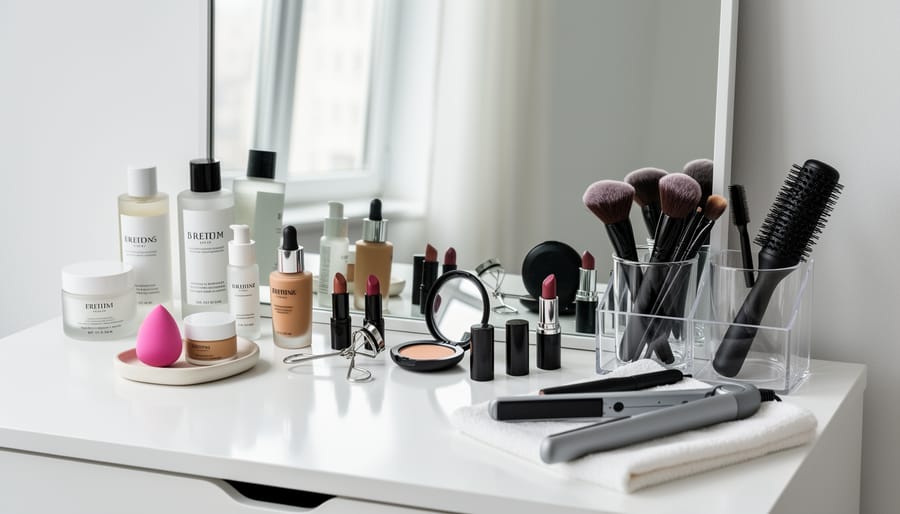
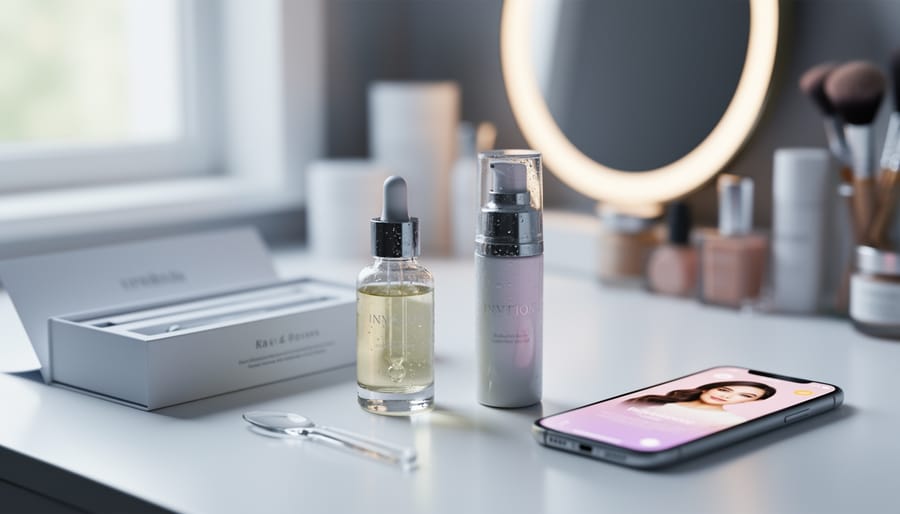
Before you start mixing and matching influencer products, you’ll want to gather everything you need. Think of this as your shopping list and prep checklist rolled into one. Having the right products and tools on hand makes it easier to build a routine that actually works, rather than improvising as you go.
Understanding Different Types of Influencer Brands
Not all influencer brands are created equal. Celebrity-founded lines like Rihanna’s Fenty Skin or Pharrell’s Humanrace typically have bigger budgets, which often means extensive testing and professional formulation teams. These brands tend to launch with full product lines and slick packaging.
YouTuber and TikTok creator brands, like Hyram’s Selfless by Hyram or Susan Yara’s Naturium, usually start smaller and more focused. They often emphasize ingredient transparency and tend to be more affordable. Many of these founders built their audiences by discussing skincare science, so their products frequently highlight specific actives or address particular concerns their community cares about.
Your Essential Product Lineup
Here’s what you need to build a complete routine using influencer brands:
- Cleanser: gentle morning wash and a deeper evening cleanser for makeup removal
- Treatment products: vitamin C serum for morning, retinol or AHA/BHA for evening
- Hydrating serum: hyaluronic acid or niacinamide-based formula
- Moisturizer: lighter texture for daytime, richer for nighttime if needed
- SPF: broad-spectrum sunscreen rated SPF 30 or higher
- Optional actives: targeted treatments for specific concerns like dark spots or acne
You don’t need to buy everything from one influencer brand. Most successful routines mix products from two or three different lines based on what each brand does best.
Tools That Make Application Easier
Beyond the products themselves, a few simple tools improve application and hygiene. Clean fingertips work fine for most products, but some people prefer a silicone spatula for scooping from jars to avoid contaminating products. A soft face cloth or reusable makeup remover pad helps with cleansing. If you’re using vitamin C or retinol, consider keeping a notebook to track when you introduced each product, since gradual introduction matters more with actives.
Keep your receipt or order confirmation emails. If something irritates your skin, you’ll want that return window information handy.
Important Considerations Before You Start
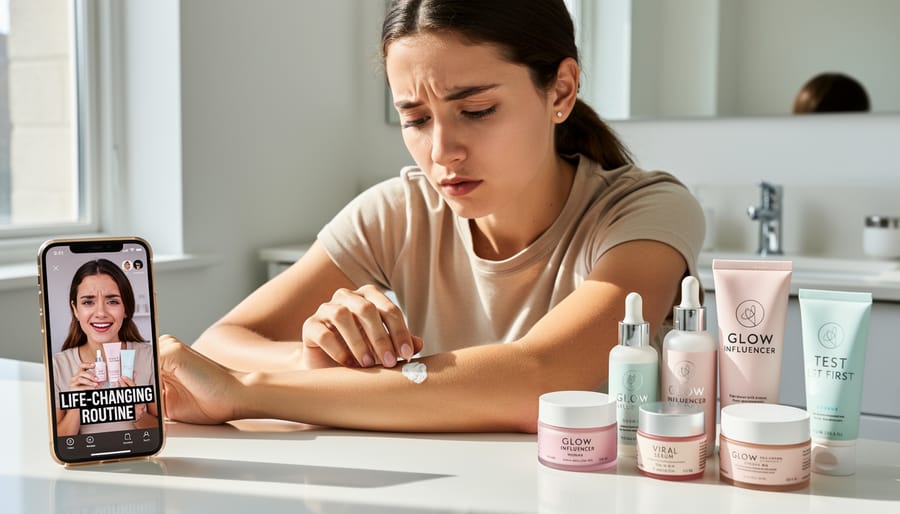
Before you dive into building your influencer-inspired routine, a few safety considerations can save your skin from unnecessary setbacks. The excitement around a creator’s new launch shouldn’t override basic skincare safety principles.
Start with patch testing every new product, especially from newer influencer brands that might not have extensive testing data available. Apply a small amount to your inner forearm or behind your ear, wait 24 hours, and watch for redness, itching, or irritation. This simple step catches potential allergic reactions before you apply a product to your entire face.
Understanding ingredient compatibility matters more than brand hype. Many influencer brands formulate with trendy actives like niacinamide, vitamin C, and various acids, but combining these incorrectly can irritate your skin or render products ineffective. Vitamin C and niacinamide used to be considered incompatible, though modern formulations have improved. Still, retinoids shouldn’t mix with most acids in the same application, and benzoyl peroxide can deactivate vitamin C.
Learn to spot marketing hype versus genuine quality formulations. A pretty package and compelling brand story don’t guarantee effective products. Check ingredient lists for active concentrations when disclosed, look for third-party testing certifications, and research ingredients beyond what the influencer claims. If a brand won’t share full ingredient lists or uses vague “proprietary blend” language, that’s a red flag.
Consult a dermatologist if you have specific skin conditions like rosacea, eczema, or severe acne before investing in influencer products marketed for these concerns. Over-exfoliation is particularly common with influencer brands that emphasize glowing skin through multiple acid products. Signs include increased sensitivity, persistent redness, burning sensations, and that tight, shiny appearance that many mistake for healthy glow. Your skin shouldn’t feel raw or constantly irritated.
Step-by-Step: Building Your Influencer Brand Skincare Routine
Step 1: Identify Your Skin Type and Concerns
Before you dive into the hype around influencer-founded cleansers or that serum your favorite creator swears by, you need to know what your skin actually needs. Grab a mirror and assess your skin in natural light, ideally mid-morning when your face isn’t freshly washed or heavily moisturized. Is your T-zone shiny by lunchtime while your cheeks feel tight? That’s combination skin. Does your entire face look matte and feel rough? Likely dry. Oily skin shows shine across the whole face, while sensitive skin reacts easily with redness or stinging.
Next, identify your primary concerns, the issues you want products to address. Influencer brands often target specific problems like acne, hyperpigmentation, fine lines, or dullness. Write down your top two or three concerns rather than trying to fix everything at once. This clarity prevents you from buying every trending product and helps you start a routine that’s actually personalized to you, not just to what’s popular on TikTok right now.
Step 2: Research and Select Your Influencer Brands
Once you know your skin type, it’s time to cut through the noise and find products that genuinely suit you. Start by looking beyond the influencer’s own channel, third-party reviews on skincare forums, ingredient databases like INCIDecoder, and honest feedback from people with your skin concerns will reveal what actually works versus what’s just clever marketing.
Check the full ingredient list, not just the hero ingredients splashed across the packaging. A vitamin C serum isn’t effective if it’s the tenth ingredient after five types of fragrance. Look for actives listed in the first five to seven ingredients, and verify concentrations if the brand discloses them.
Cross-reference your findings with dermatologist opinions and trusted skincare educators who aren’t affiliated with the brand. If you’re dealing with breakouts, research whether others with similar issues had success, an acne-prone routine using that brand can offer real-world proof beyond glossy launch campaigns.
Finally, compare the formulation and price point to established brands. Sometimes you’re paying primarily for packaging and influencer association rather than superior ingredients. If a $68 influencer moisturizer has the same actives as a $22 drugstore option, question where your money’s actually going.
Step 3: Build Your Morning Routine
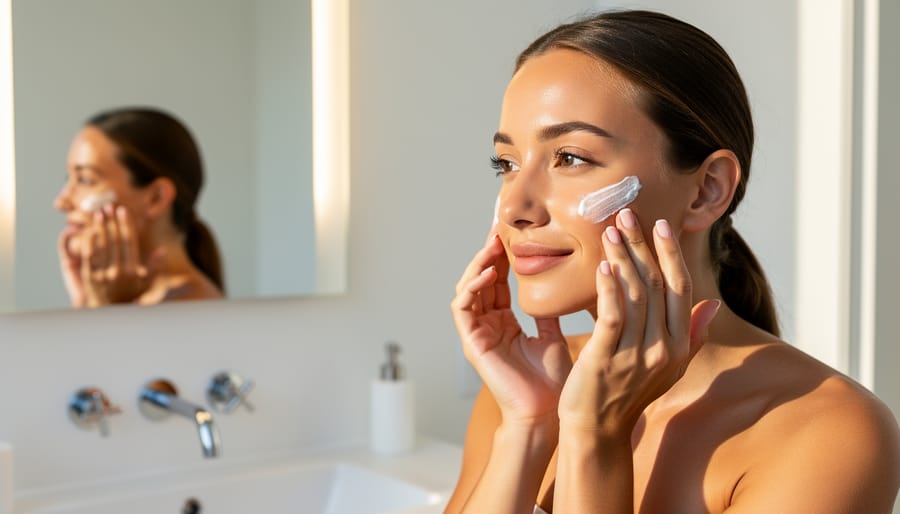
Your morning routine sets the tone for the day and protects your skin from environmental stressors. Here’s how to layer influencer brand products effectively before you head out the door:
- Cleanse gently: Start with a mild cleanser from your chosen influencer brand. Wet your face with lukewarm water, massage the cleanser in circular motions for 30-45 seconds, then rinse thoroughly. Morning cleansing removes overnight oils and prepares skin for product absorption.
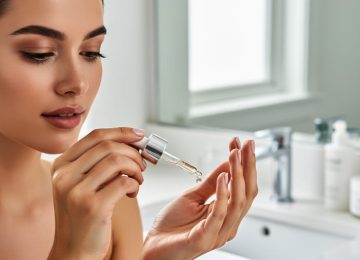
- Apply treatment serums: Pat your face dry, then apply any treatment products like vitamin C serums or niacinamide. Use 2-3 drops, pressing gently into skin. Wait 60 seconds before the next step to allow absorption.
- Moisturize: Apply your influencer brand moisturizer while skin is still slightly damp. Use a pea-sized amount and spread evenly across your face and neck. This locks in hydration and creates a smooth base.
- Protect with SPF: Wait 1-2 minutes after moisturizing, then apply a generous layer of influencer sunscreen. You need about a nickel-sized amount for your face alone. This is non-negotiable regardless of weather or plans to stay indoors.
Give your routine 5-10 minutes to fully absorb before applying makeup. The key is consistency: following this same order daily trains your skin to respond predictably to these products.
Step 4: Create Your Evening Routine

Your evening routine is where the real transformation happens, your skin is primed for repair after a long day, and you can use the heavier, more active products that might be too intense for morning wear. Here’s how to layer your influencer brand products for maximum overnight benefit:
- Double cleanse to remove the dayStart with an oil-based cleanser (many influencer brands like Rhode or Chamberlain Coffee have gentle cleansing balms) to dissolve makeup and SPF. Massage it onto dry skin for 30-60 seconds, then rinse. Follow immediately with your water-based gel or foam cleanser to remove any remaining residue. This two-step process ensures your skin is truly clean without stripping.
- Apply your active treatmentsOn clean, dry skin, this is when you’d use retinol, acids, or treatment serums from brands like Naturium or Inkey List. Start with the thinnest consistency product. If you’re using retinol, wait 2-3 minutes before moving to the next step to let it absorb fully and minimize potential irritation from layering.
- Layer hydrating serums and essencesOnce actives have settled, add hydrating products like hyaluronic acid serums or peptide treatments. These help counteract any dryness from active ingredients and prep your skin for moisturizer.
- Seal with moisturizer and overnight treatmentsFinish with a richer night cream or sleeping mask. Evening is when you can use those thicker Rare Beauty or Hailey Bieber formulas without worrying about pilling under makeup. If you’re using a specific treatment like a spot treatment, apply it last so it sits on top.
The key difference from morning? You can skip SPF and embrace heavier textures that would feel greasy during the day. Your skin does most of its repair work while you sleep, so feeding it potent ingredients at night pays off.
Step 5: Introduce Products Gradually
Starting all those shiny new influencer products at once is tempting, but your skin needs time to adjust. Introducing products gradually prevents overwhelming your skin and helps you identify what’s actually working, or causing problems.
Begin with one new product at a time, waiting at least five to seven days before adding another. If you’re introducing actives like retinol or acids, extend this to two weeks. Start with your cleanser and moisturizer first since these form your routine’s foundation, then layer in treatments and serums.
Use new active ingredients just two to three times per week initially, then increase frequency as your skin tolerates them. Apply products to clean, dry skin and wait a few minutes between layers to let each one absorb properly.
Watch for redness, stinging, excessive dryness, or new breakouts, these signal your skin needs a slower pace. Keep notes on what you introduce when, so if irritation occurs, you’ll know the culprit. If your skin feels tight or looks inflamed, pause new additions and let your barrier recover before continuing.
How to Tell If Your Routine Is Working
Your influencer brand routine needs at least four to six weeks before you’ll see meaningful changes. Ingredients like niacinamide and vitamin C serum can show subtle brightening within two to three weeks, but deeper concerns like texture, fine lines, or hyperpigmentation require a full skin cell turnover cycle. Retinol-based products from influencer brands typically need eight to twelve weeks to demonstrate noticeable results. Set realistic expectations and resist the urge to abandon products after just a few days.
Positive signs your routine is working include smoother texture when you touch your face, makeup applying more evenly, fewer active breakouts, and that overall glow people ask you about. Your skin should feel comfortable throughout the day without excessive oiliness or tightness. Take weekly photos in the same spot with the same lighting because gradual changes are hard to notice day-to-day. Compare these images monthly to spot real progress.
Warning signs mean you need to pivot immediately. Persistent stinging or burning that doesn’t subside after application signals your skin barrier is compromised. Increased breakouts lasting beyond three weeks, especially in new areas, likely indicate a product doesn’t suit your skin rather than a temporary purge. Flaking, redness, or sensitivity that worsens over time means you’re overdoing actives or using incompatible products together.
When your routine isn’t delivering results after six to eight weeks, evaluate one product at a time. Remove the most recently added item first and observe for two weeks. Check if you’re using products correctly because applying retinol in the morning or skipping sunscreen undermines even the best influencer brands. Sometimes the issue isn’t the products themselves but the combination or application order.
Document what you’re tracking in a simple note on your phone. Record weekly observations about texture, breakouts, dryness, and how your skin feels. This removes guesswork and helps you identify which specific products create positive changes versus which ones you’re keeping out of sunk-cost fallacy. If you’ve given a routine twelve weeks with proper use and see zero improvement, that’s your signal to consult a dermatologist or restructure your approach entirely.
Common Questions About Influencer Skincare Brands
I get asked constantly whether influencer brands are actually worth the money or just clever marketing. The honest answer is: it depends entirely on the brand. Some creator-founded lines invest heavily in R&D and work with cosmetic chemists to develop genuinely innovative formulations, while others slap a famous face on contract-manufactured products you could find elsewhere for less. You’re paying for the brand story and packaging along with the actual product, so your job is figuring out which ones deliver real value.
Are influencer skincare brands actually effective?
Many influencer brands use the same quality ingredients and manufacturers as traditional skincare lines, making them equally effective when formulated properly. The key is researching ingredient concentrations and formulations rather than relying on the influencer’s claims alone.
Why are influencer brands often more expensive than drugstore options?
Influencer brands typically price themselves in the prestige category to cover marketing costs, influencer partnerships, and smaller production runs. You’re also paying for branding, packaging design, and the perceived exclusivity of a creator-endorsed product.
How can I tell if an influencer brand is transparent about ingredients?
Look for full ingredient lists on the brand’s website (not just marketing claims), check for third-party testing certifications, and see if they disclose percentages of active ingredients. Brands hiding behind proprietary blends or vague descriptions are red flags.
Should I replace my entire routine with influencer brands?
Not necessarily. Mix influencer products with proven staples from established brands based on what works for your skin, not loyalty to any single line.
The transparency issue trips people up frequently. Traditional skincare companies have decades of safety data and regulatory compliance behind them, whereas newer influencer brands might skip clinical testing or rely on minimal consumer trials. That doesn’t automatically make them unsafe, but you need to do more homework. Check if they list percentages for active ingredients like retinol or vitamin C, whether they’ve conducted stability testing, and if they’re forthcoming about potential irritants. A brand that educates rather than just sells tends to be more trustworthy.
Building a skincare routine with influencer brands doesn’t have to feel overwhelming. Start by understanding your skin type and concerns, then research brands beyond the glossy Instagram posts. Look for transparent ingredient lists, third-party reviews, and formulations backed by science rather than just follower counts.
Remember to introduce products gradually, layer them correctly for morning and evening routines, and give each new addition at least four weeks before judging results. Your skin’s reaction matters more than any influencer’s glowing testimonial.
The influencer skincare landscape in 2026 has matured beyond pure hype. Many creator-founded brands now offer genuinely effective formulations, but others still prioritize packaging over performance. Trust your skin’s feedback over trending hashtags. If a product causes persistent irritation or shows no improvement after reasonable use, move on regardless of who promoted it.
Your skincare routine should work for you, not fit someone else’s aesthetic. The best routine is one you’ll actually stick with, using products your skin tolerates and responds to positively. Take what resonates from influencer brands, leave what doesn’t, and build something sustainable for your unique needs.